 NexMask-官方博客
Synthetic addresses cannot be used for physical delivery because format validity and registered delivery points are two separate issues.
When you open an e-commerce checkout page, enter your name, street, city, postal code, and phone number, and click submit, the system might show "Address valid" and the order is created. However, when the package reaches the logistics sorting center, the automated system finds that the house number does not exist in the official database, marks it as invalid, and intercepts it.
This cognitive gap stems from a misunderstanding of the address processing workflow. NexMask Random Address Generator produces data that is essentially synthetic samples designed for software debugging, not real physical addresses with delivery accessibility. To understand why "order successful" does not equal "package received," we need to examine two very different checkpoints in the postal and logistics systems.
A Case Review of an Overseas Order: After the Synthetic Address Passes Checkout
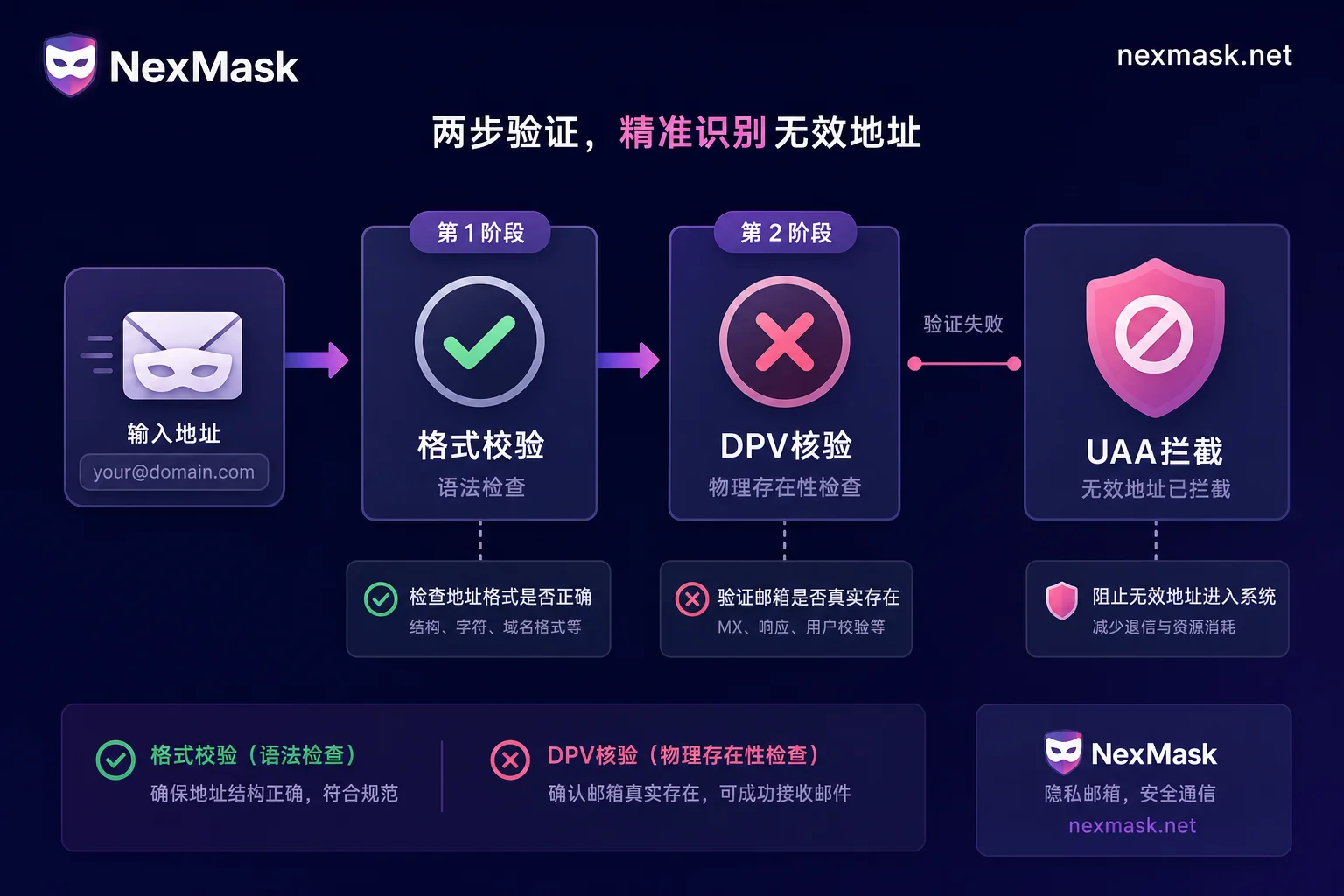
Consider a typical misuse scenario: a user, wanting to protect privacy or test functionality, fills in a complete address from a generator on an overseas shopping platform. The front-end only checks if fields are empty and if the postal code format matches rules like "5 digits" or "alphanumeric". Since synthetic data fully complies with these syntax rules, both the browser and the backend return "validation passed".
However, the real problem erupts when the merchant prints the shipping label and hands the package to the carrier. When the package reaches the regional sorting center, the barcode is scanned, and the address string is sent to the postal network for deep verification. At this point, no one will be present to sign for the package at the fictitious house number, nor will the courier find a corresponding physical mailbox. Eventually, the package is returned or held because it "cannot be delivered as addressed". Users not only fail to receive the item but may also incur return shipping costs.
This process reveals a core fact: addresses generated by random address generators are logically valid strings but physically non-existent. The user's illusion is formed at the checkout page because most e-commerce platforms' front-end validation does not include real-time connections to postal databases.
Format Validation vs. Delivery Point Verification
To thoroughly understand the difference between address format validation and delivery point verification, two professional concepts must be introduced: Address Validation and DPV (Delivery Point Validation). The key difference is that the former checks syntax, while the latter checks physical existence.
| Dimension | Format Validation | Delivery Point Validation (DPV) |
|---|---|---|
| Checks | Spelling errors, country codes, postal code length, field completeness | Whether the specific ZIP+4 address is registered in the official delivery database |
| Technical level | Structural check, similar to regex matching | Physical existence confirmation, queries official databases like USPS |
| Typical result | "Format correct", "submission allowed" | Confirmation code obtained or not (invalid addresses marked with N code) |
| For synthetic addresses | Pass (if they conform to formatting rules) | Fail (no real physical anchor, no confirmation code) |
According to the USPS PostalPro specification updated in July 2026, the DPV product is used precisely to confirm whether a specific ZIP+4 address corresponds to a real delivery point. If the address does not exist, the system returns a specific negative code (such as N code), and sorting machines intercept the package to save costs.
Here we need to clarify a common misconception: are the zip codes from random address generators real? Yes, generators typically extract from real city postal code databases. But this does not save the address — the ZIP code only locates to the neighborhood or city level, whereas the house number and unit are key for precise location. A fictitious "123 Fake Street" with no real resident will still be deemed invalid, even if the ZIP code corresponds to Manhattan, New York.
After Being Judged as Undeliverable: Where Does the Package Go?
Once an address is flagged as UAA (Undeliverable As Addressed), the subsequent handling process is strictly governed by public postal rules. According to the USPS FAQ verified in May 2026, the handling depends on whether the sender provided a compliant return address.
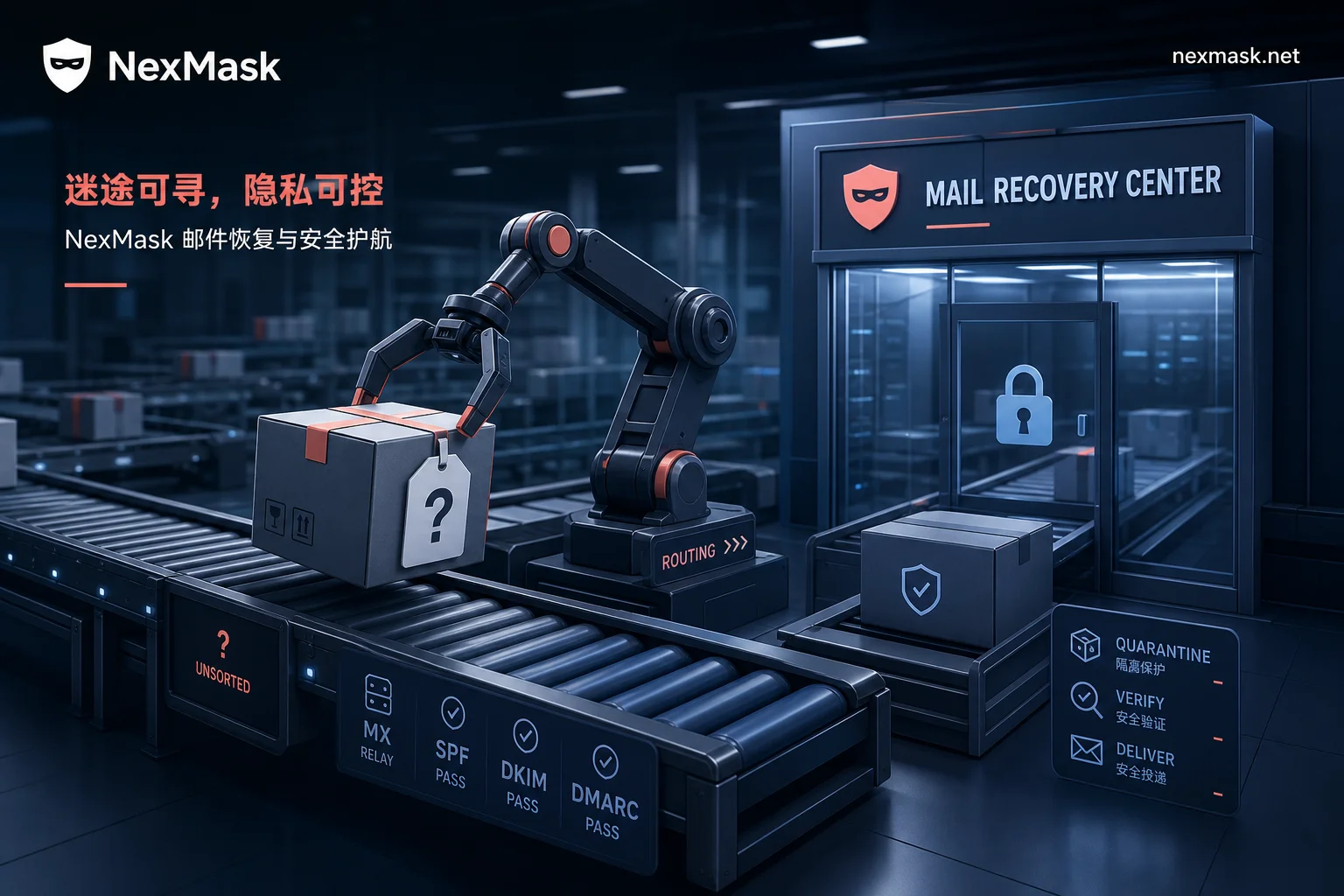
If the label includes a valid return address, the package is typically sent back to the sender. But if the sender used anonymous shipping or the return address is also invalid, the package is transferred to the official Mail Recovery Center (colloquially known as the dead letter office). There, unclaimed items may be destroyed or auctioned per regulations. This means that for individual users, once UAA is triggered and there is no return route, the chance of recovering the item is extremely low. The cost of return shipping and manual handling is borne by the sender.
Correct Use Cases for Synthetic Addresses: Form Placeholders, Boundary Values, and Regional Format Compatibility
Since they cannot be used for physical delivery, how should test delivery addresses for development be prepared? The real value of synthetic addresses lies in their "structural validity" rather than "physical authenticity". They are suitable for the following scenarios:
- Form placeholders and UI debugging: Quickly fill registration pages, checkout pages, to check if the interface layout breaks due to long text overflow.
- Boundary value testing: Verify that the system correctly handles overly long street names, special characters, or differences in postal code formats across countries.
- Regression test fixtures: Ensure consistent and reproducible input data every time test cases are run.
When preparing test fixtures, you can use the NexMask Random Address Generator to generate name, street, city, postal code, and phone fields in real formats, for free (based on the publicly available capabilities on the official website as of 2026). The key is to annotate in the dataset that "this data does not correspond to a real resident and is for development testing only" to avoid confusion among team members. Combined with a random email generator, a more complete virtual user profile can be built, but this is limited to API integration testing and does not involve real service activation.
Key points for generating test data: ensure field completeness to avoid half-baked data hiding validation defects; group by target market to manage format differences; make the same batch of data reproducible for regression comparisons.
Physical Fulfillment, Billing, Government, and Identity Verification
It is crucial to draw clear boundaries. Any process that requires "a person to physically receive or verify" must never use synthetic data.
- Physical fulfillment: Whether it's e-commerce packages, food delivery, or doorstep services, they all require real coordinates precise to the household.
- Billing and government correspondence: Bank statements, tax notices, and government letters rely on reachable addresses to complete legal delivery.
- Identity verification: Any process requiring verification that the address matches the identity must not use synthetic data.
A simple rule: ask yourself, "Will this letter or package ultimately need a real person to sign for it?" If the answer is yes, immediately replace it with a real address.
How to Recover If You've Already Entered Test Data into a Real Order
If you have mistakenly entered test data into a real order, take immediate corrective actions:
- Before shipment: As soon as possible, log into the order page and try to cancel or modify the shipping information. This is the lowest-cost option.
- After shipment: Immediately contact the seller or sender. Only the sender has the authority to request an "address correction" or "recall" from the carrier. Direct contact with the courier by an individual is usually ineffective because the sender holds the processing rights.
- Clean up remnants: Delete synthetic entries from your account address book to prevent them from being selected by default on future orders.
- Accept the loss: If the package has entered the UAA process and there is no return address, individuals cannot retrieve it; they can only wait for the sender to handle refunds.
Frequently Asked Questions
Can fake addresses generated in a test environment receive physical packages?
No. Although random address generator outputs can pass front-end format checks, due to the lack of a DPV record in the USPS database, they will be flagged as UAA during logistics sorting and intercepted. The package will either be returned or sent to the dead letter office.
Do the postal codes provided by the generator make the address deliverable?
Postal codes are usually real city codes, but this alone does not make the address deliverable. DPV verification targets the full "ZIP+4" address, which includes the postal code plus the specific house number and unit. Even if the postal code is correct, if the street name and house number are not registered in the official delivery database, the system will return an "unconfirmed" code, leading to delivery failure.
What exactly is the difference between address format validation and delivery point verification?
Format validation occurs at the application layer, only checking if the string conforms to regex rules (like length, character type). Delivery point verification occurs at the infrastructure layer, querying official postal databases to confirm the physical building's existence. The former is a syntax check, while the latter is a semantic and entity existence check. They are not interchangeable.
How should development and QA prepare shipping address data when needed?
It is recommended to set up an independent test data pool, use tools to generate synthetic addresses conforming to each country's formatting standards, and clearly annotate in the database field with is_test_data=true. Also, ensure complete isolation of address databases between test and production environments to prevent test data from contaminating live user profiles.
What ultimately happens to a package whose address cannot be delivered?
According to USPS rules updated in May 2026, if the sender provides a valid return address, the package is returned to the sender; if there is no return address, it is transferred to the Mail Recovery Center (dead letter office), where it may be destroyed or auctioned. Individual recipients have no right to retrieve such items directly from the dead letter office.
Next time you need to generate test shipping address data, first ask yourself whether the address requires someone to physically sign for the package. If it's just for form filling or validation testing, use the NexMask Random Address Generator to generate a batch of fields in complete formats, and annotate the dataset as test-only.



Comments(0)