 NexMask-官方博客
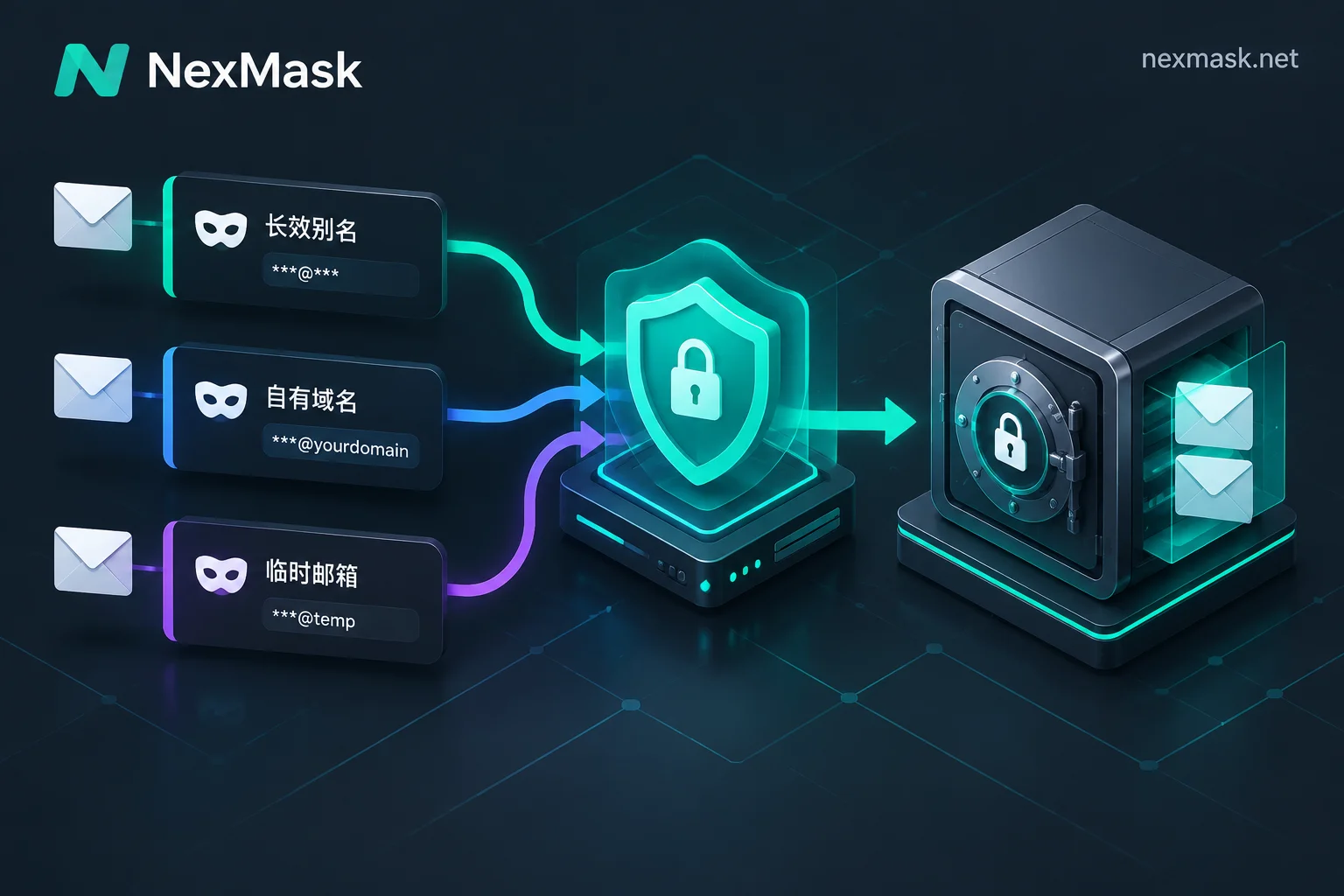
Email Alias Service Comparison: Choose the Right Tool Based on Reverse Sending, Domain Sovereignty, and Migration Costs
In 2026, mainstream email alias services (such as SimpleLogin, addy.io, Firefox Relay, Apple Hide My Email, etc.) each have their pros and cons. This article goes beyond simple free-quota comparisons and examines four real pain points: reverse sending experience, solutions when public suffixes are blocked, data retention and exit sovereignty, and one-time registration offloading, to help you choose the most suitable email and identity isolation solution for long-term use.
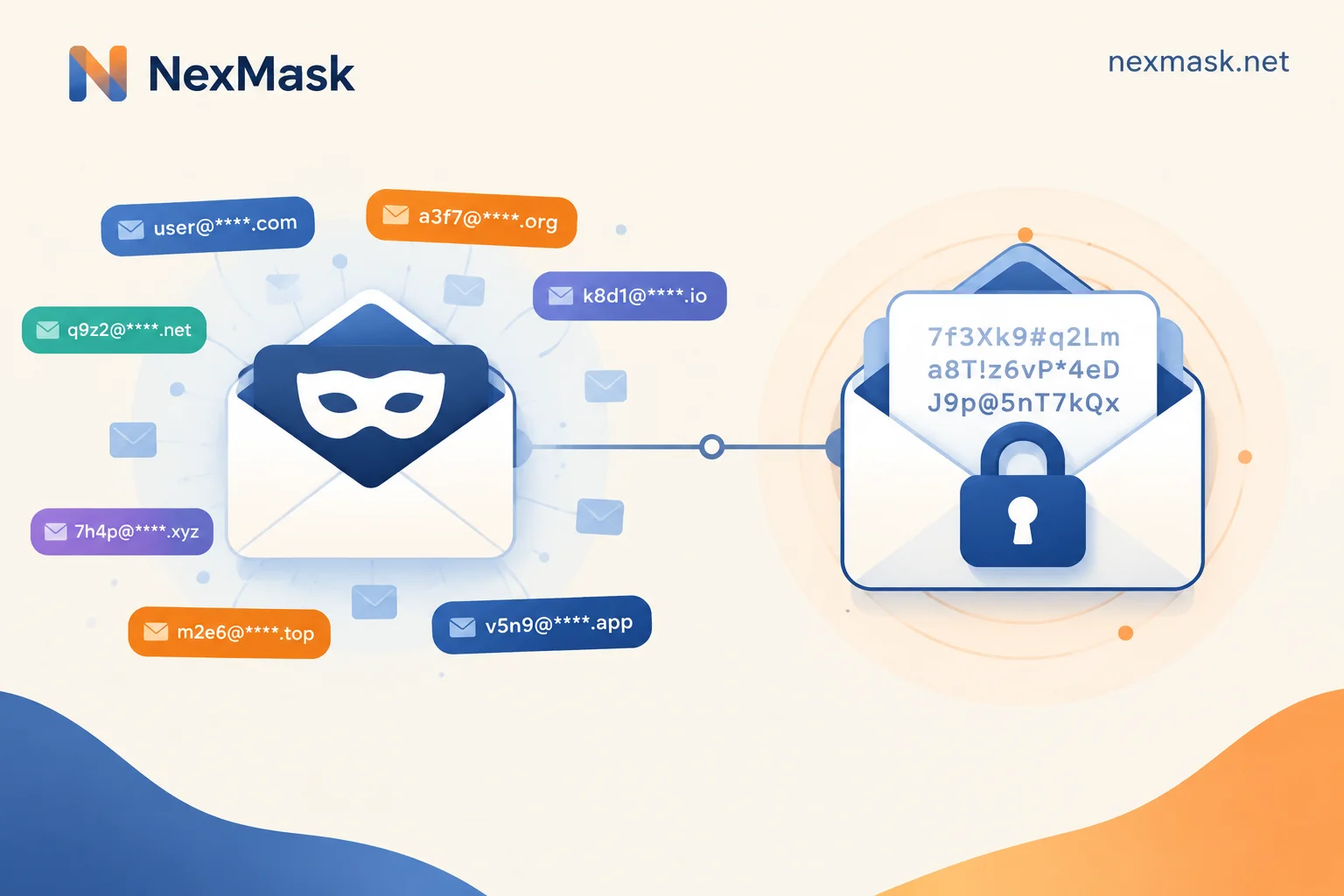
Anonymous Email vs. Encrypted Email: One Hides Your Identity, the Other Hides Your Content — Choose and Combine by Scenario
Anonymous email isolates your identity and real primary inbox, while encrypted email protects message bodies and attachments; they cannot replace each other. This article explains which risks each can and cannot block, which to use for everyday sign-ups, testing, and sensitive communications, and how to combine both via "alias forwarding to an encrypted mailbox."
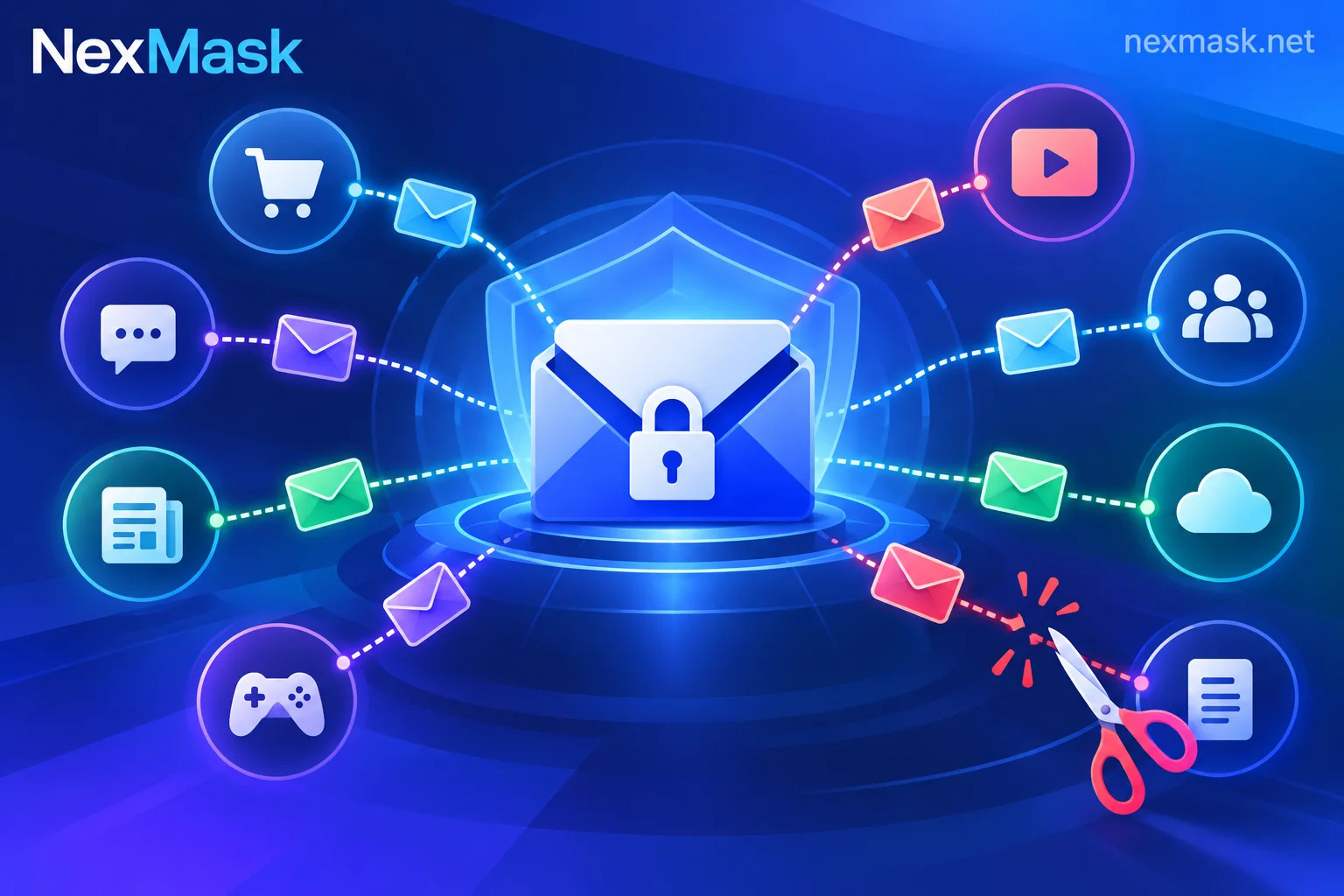
How Anonymous Email Protects Privacy: One Address per Site, Trace Leaks and Disable Individually
Reusing your real email everywhere turns it into an identifier linking your behavior across sites. This article explains the division of labor between temporary email for one-time use and long-lasting aliases for long-term accounts, why plus aliases aren't privacy protection, how to trace spam sources and deactivate aliases, how to prevent tracking pixels, what to do if rejected, and what anonymous email can't do.
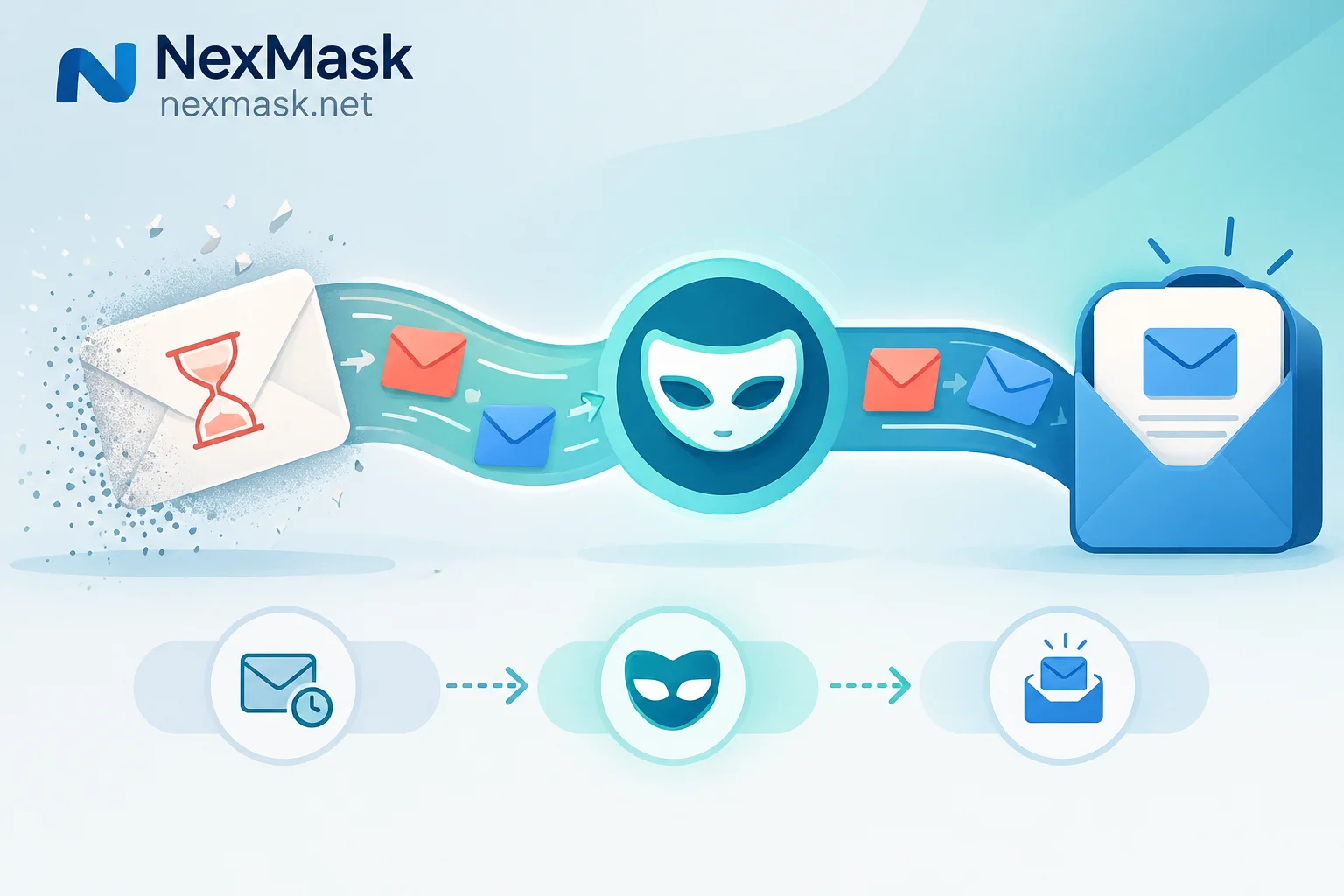
How to Choose an Anonymous Email Address: Roles of Temporary Emails and Long-Term Aliases, Handling Rejections, and Usage Boundaries
Anonymous email addresses fall into two main categories: temporary emails and long-term aliases. Which to choose depends on whether you'll need to log in again or recover the password. This article explains how to use each, their limitations, how to handle rejections, how to trace spam sources with one alias per site, and which scenarios should still use your real email.
Temporary Email vs Anonymous Email: The Key Is Whether You'll Log In Again
Temporary email is disposable and destroyed on expiry; anonymous email (long-lived alias) sits in front of your real inbox and can receive, reply, and be deactivated long-term. This article compares the two across validity period, sending/receiving, account recovery, spam tracing, and registration rejection, and explains how to choose by scenario.