 NexMask-官方博客
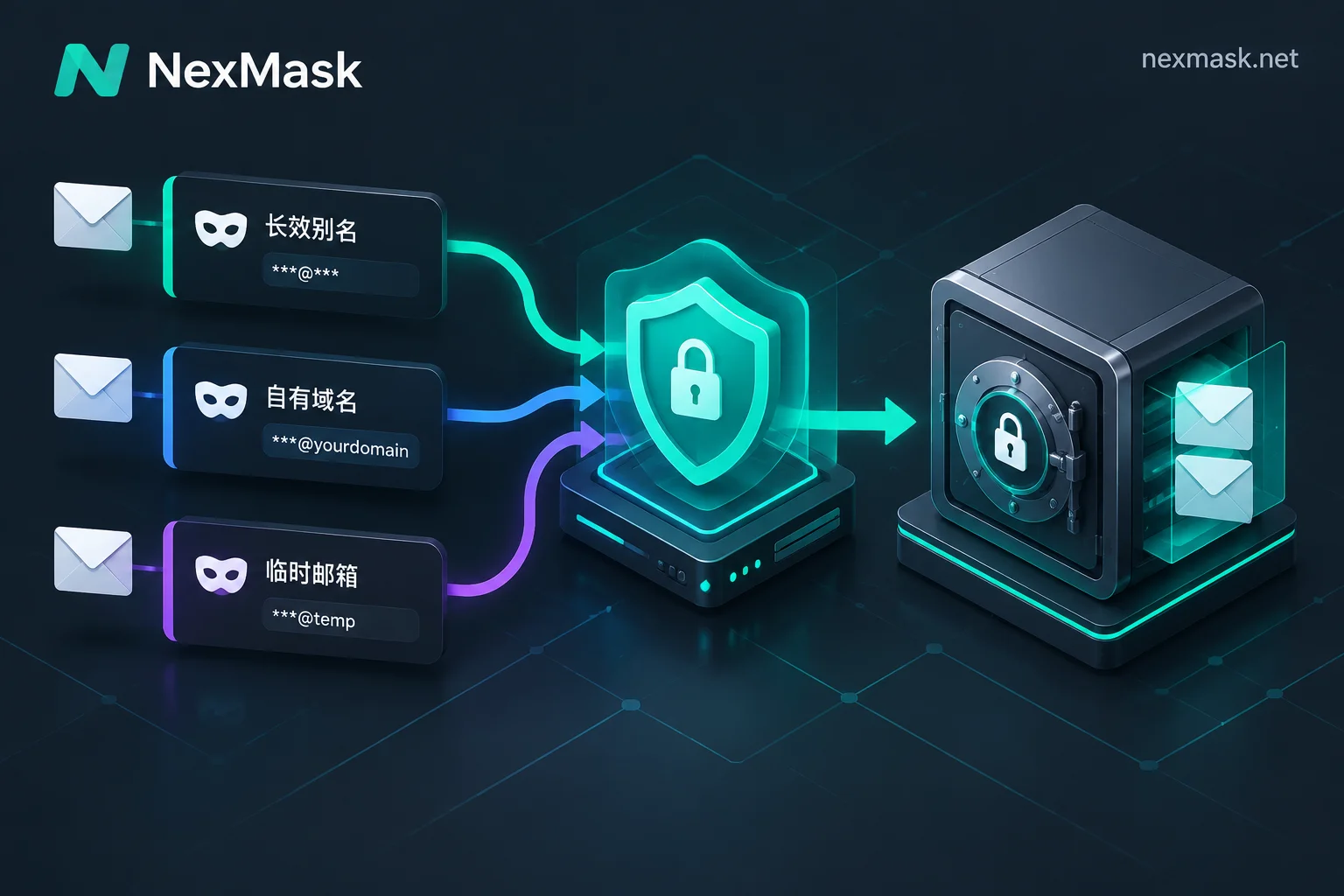
Email Alias Service Comparison: Choose the Right Tool Based on Reverse Sending, Domain Sovereignty, and Migration Costs
In 2026, mainstream email alias services (such as SimpleLogin, addy.io, Firefox Relay, Apple Hide My Email, etc.) each have their pros and cons. This article goes beyond simple free-quota comparisons and examines four real pain points: reverse sending experience, solutions when public suffixes are blocked, data retention and exit sovereignty, and one-time registration offloading, to help you choose the most suitable email and identity isolation solution for long-term use.
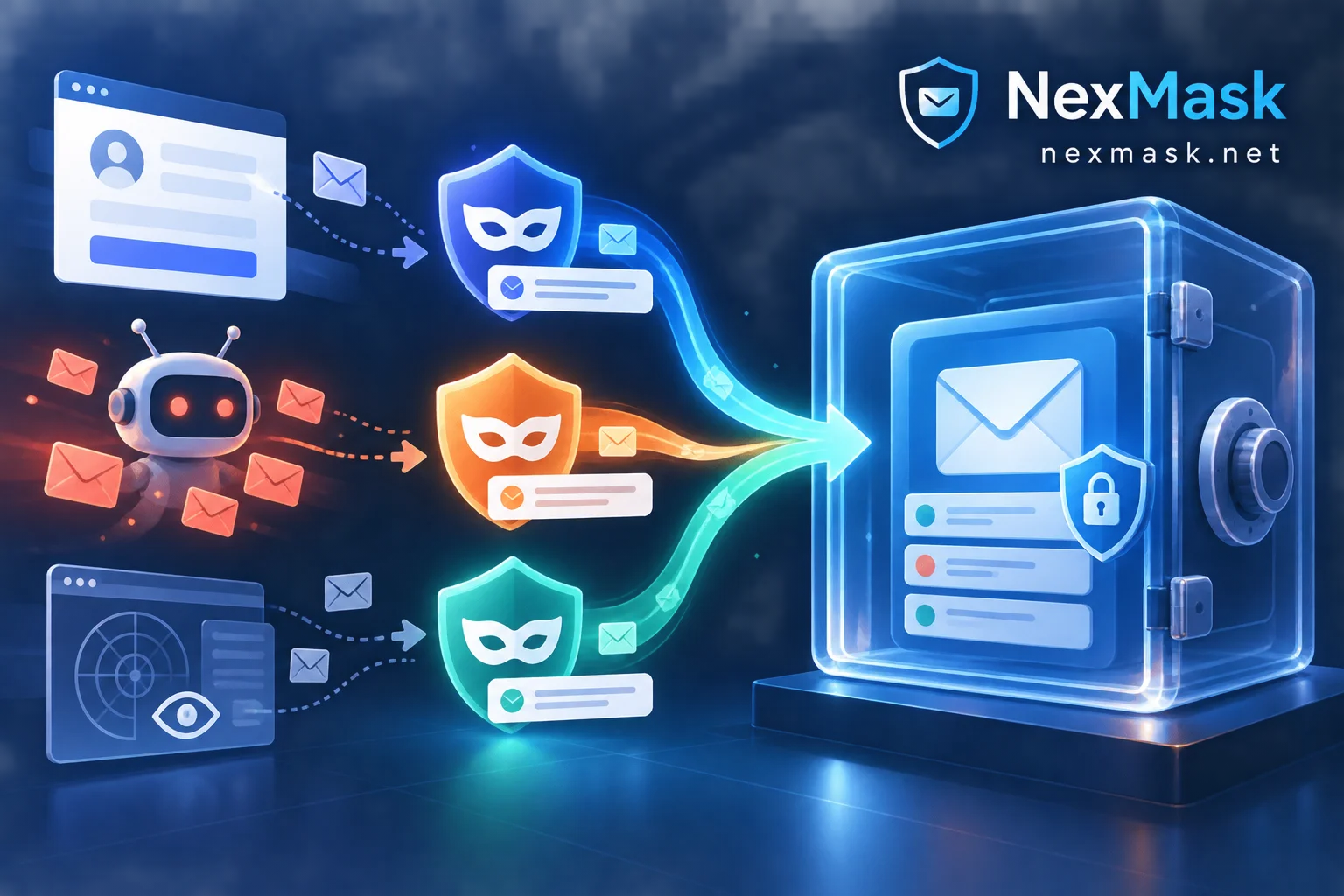
How to Truly Hide Your Real Email? Lessons from Built-in Privacy Flaws and a Cross-Platform Identity Isolation Approach
In 2026, Apple's Hide My Email feature was found to have a vulnerability where spam rejection logs could reveal the real Apple ID email behind a hidden address, highlighting the risks of tying all virtual identities to a single system account. This article breaks down how to escape single-ecosystem limits and build a true no-backdoor email isolation system with NexMask, covering three scenarios: one-time verification, big-tech domain whitelisting, and long-term independent sending/receiving.
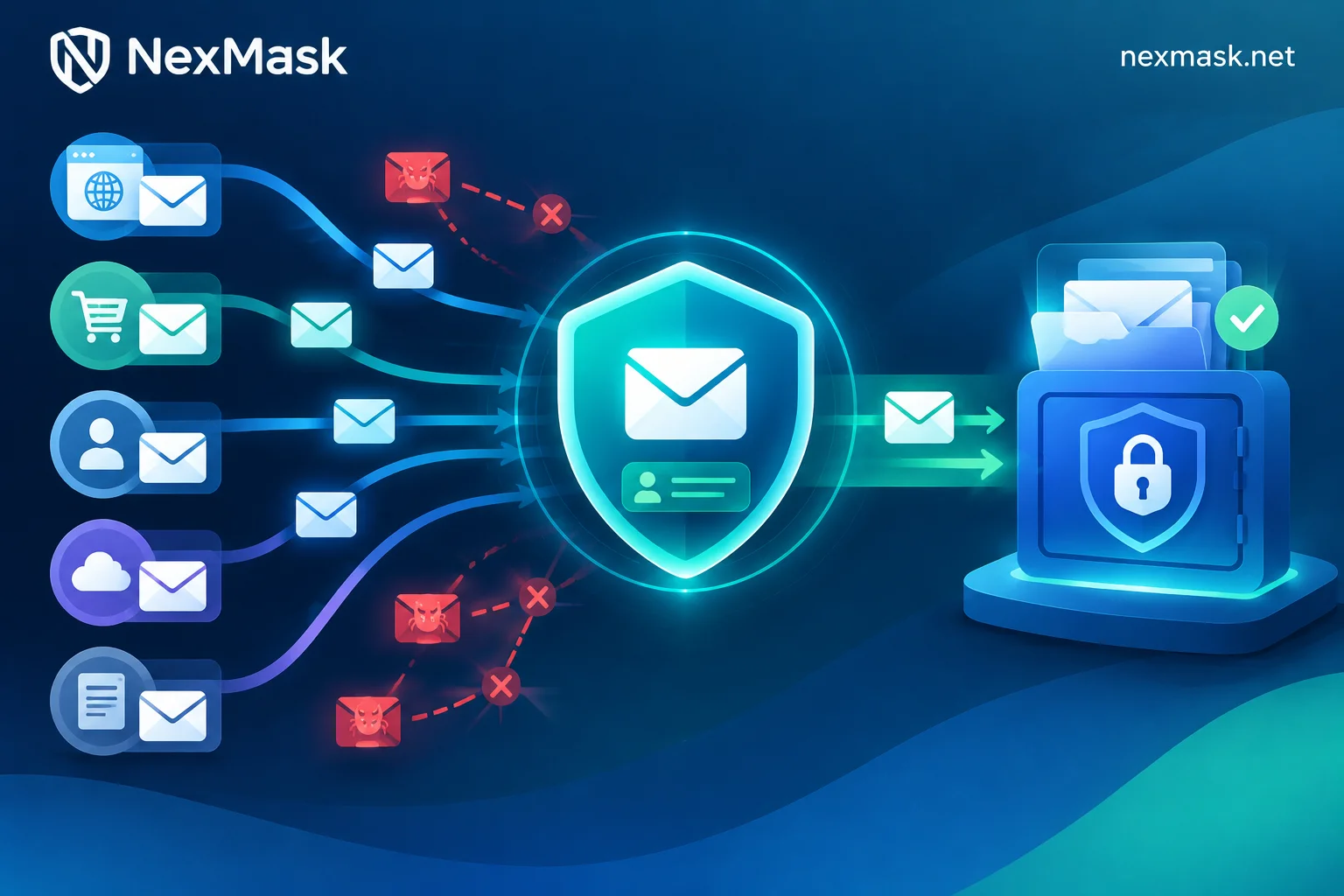
How to Use Email Aliases for True Leak Protection: Ditch the Gmail "+" Myth and Build a One-Site-One-Address Inbox Defense
Many people think adding a "+" or dot to their Gmail username creates an email alias that prevents spam, but today such subaddressing is easily rejected by website registration forms and directly exposes your real primary email. This article compares subaddressing, traditional client built-in aliases, and independent forwarding email aliases, and teaches you how to use NexMask to build a "one-site-one-address, traceable, and revocable" email isolation system.
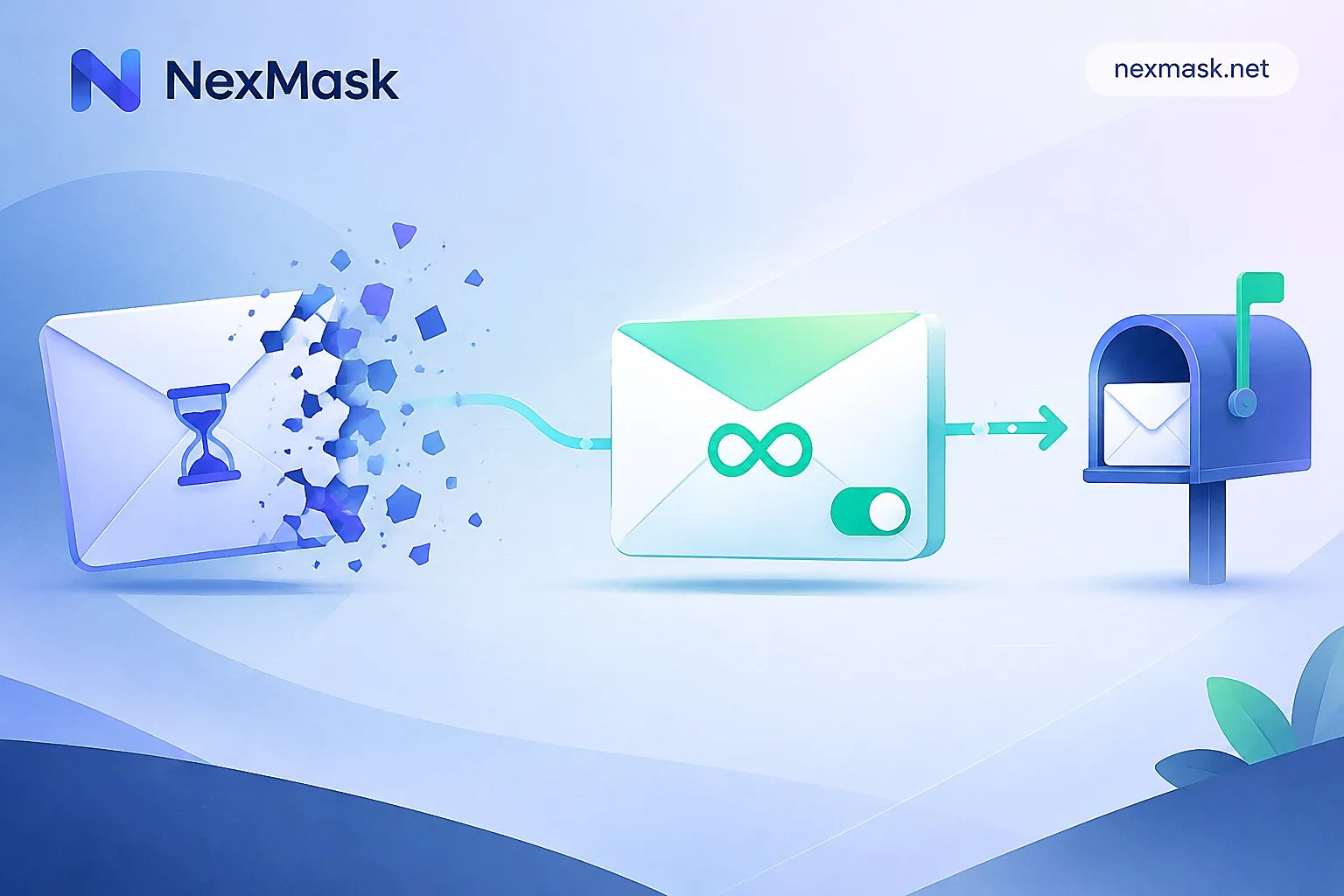
Anonymous Email vs. Temporary Email: Choose Based on Whether You'll Need to Receive Emails from That Site Later
Temporary email is a one-time inbox that self-destructs, while a long-term anonymous email alias forwards mail to your regular inbox and can reply, so choose based on whether you'll need the account in the future.
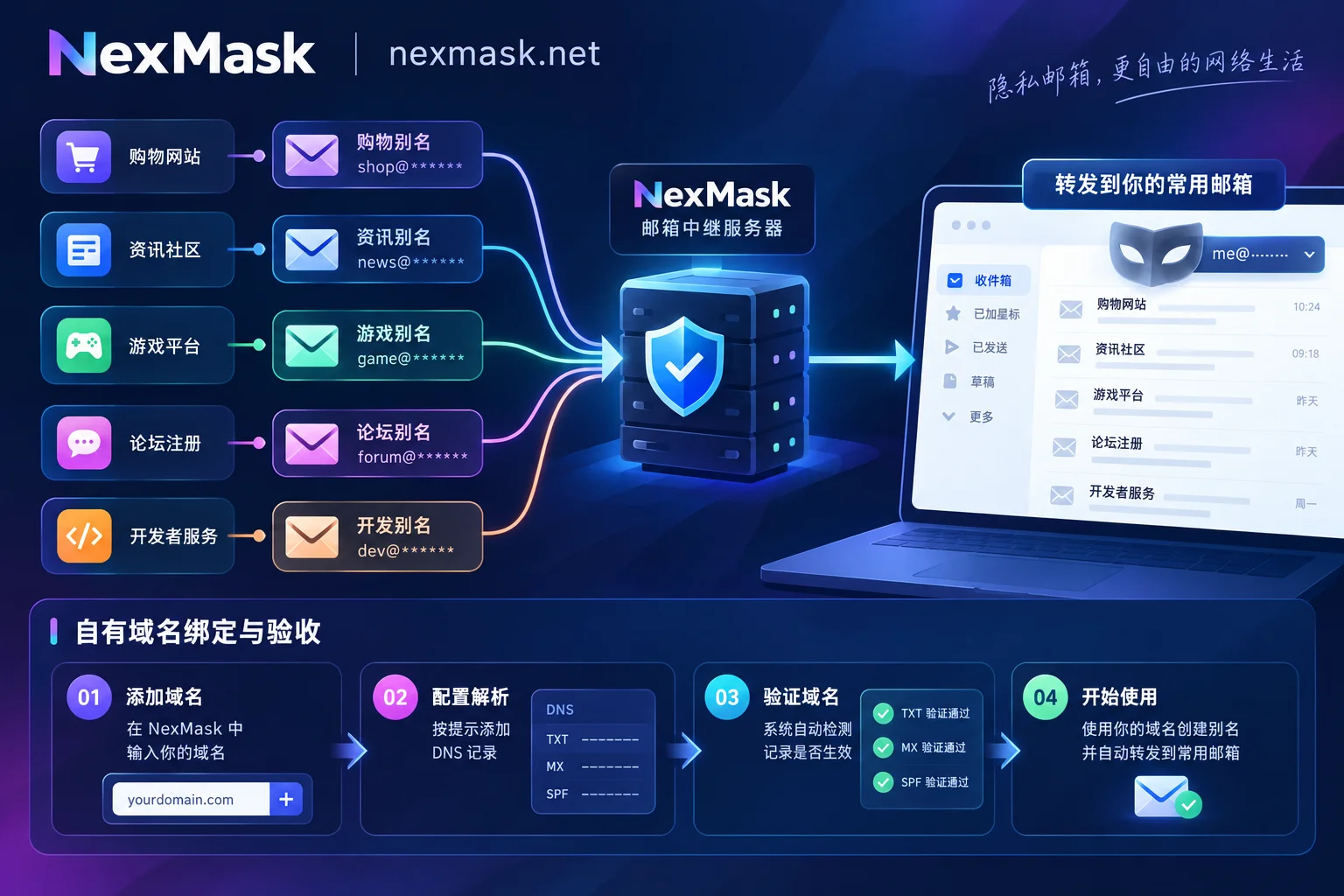
How Anonymous Email Forwarding Works: Receive and Reply via Aliases Without Revealing Your Real Email, and Why Forwarded Mail Goes to Spam
Explains how alias forwarding delivers incoming mail and routes replies, lists common habits that expose your real email, and describes why SPF breaks after forwarding, how DKIM determines DMARC passage, and how to choose between temporary email and long-term forwarding aliases based on whether you’ll need to receive mail at that address later.
