 NexMask-官方博客
Why Disposable Email Became Essential in 2026: Isolating Against Sign-Up Walls, AI Trials, and Cross-Platform Tracking
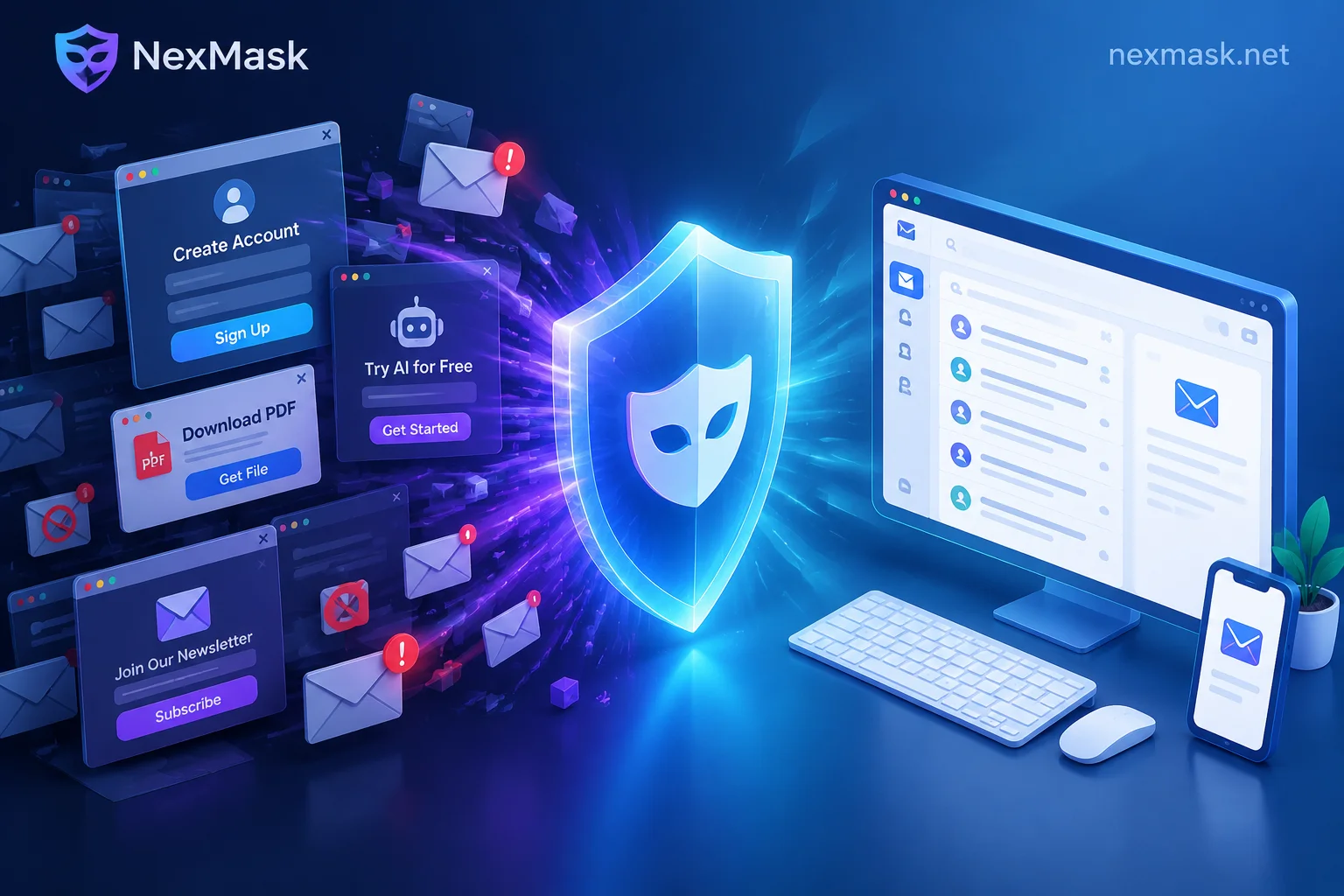
In 2026, nearly every website uses sign-up walls to demand an email for PDFs, AI tool trials, or coupons, leading to marketing spam and cross-platform tracking. This article explains how to use NexMask disposable emails, big-provider temporary emails, long-lived aliases, and virtual addresses to build a complete isolation defense for your real inbox.
What Is a 7-Day Temporary Email? When to Use It vs a Long-Lasting Alias for Cross-Day Receipts
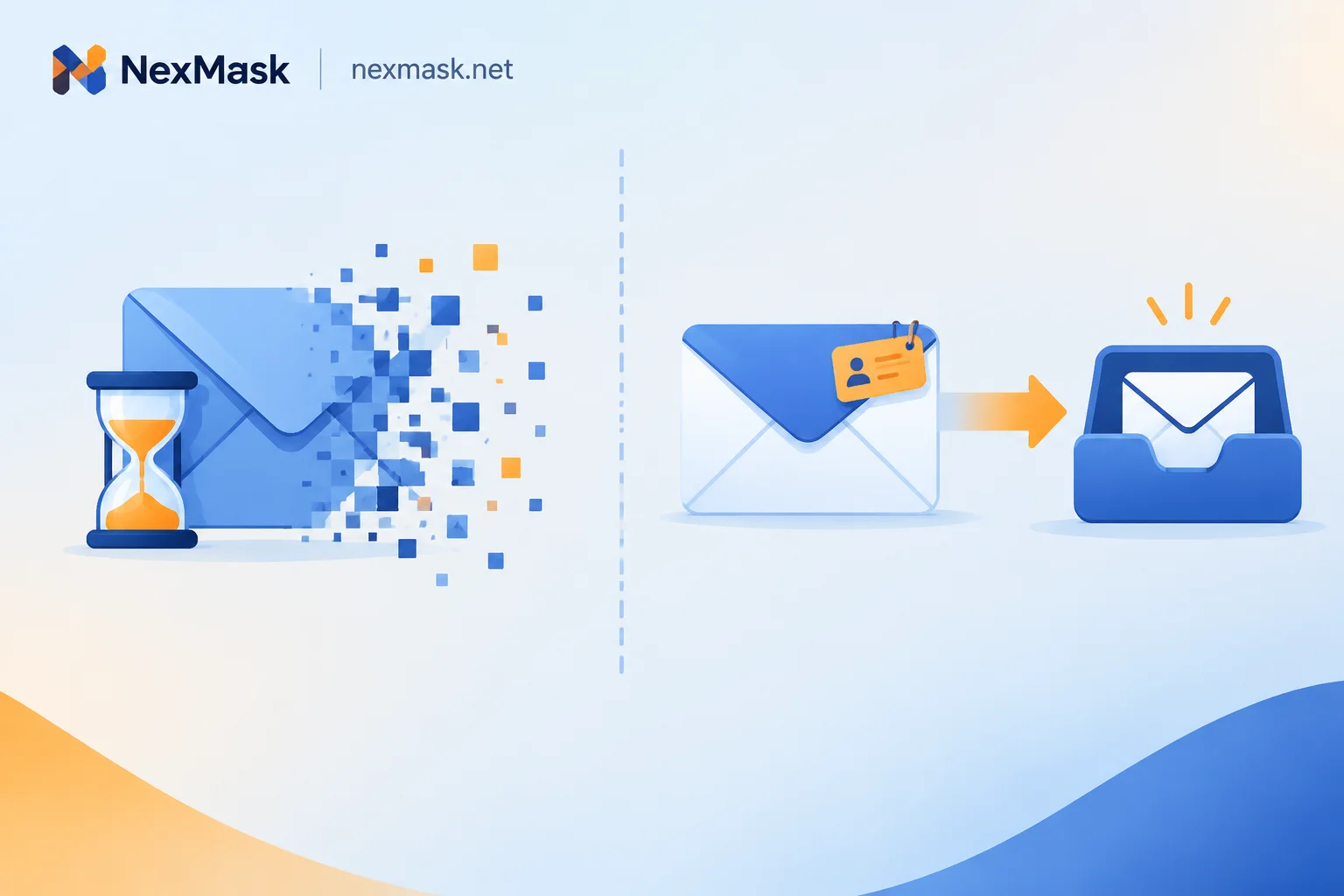
A 7-day temporary email extends disposable addresses from minutes to days, solving delayed verification, overnight reviews, and next-day activations, but the entire inbox is destroyed irreversibly, making it unsuitable for accounts needing future password resets, billing, or 2FA.
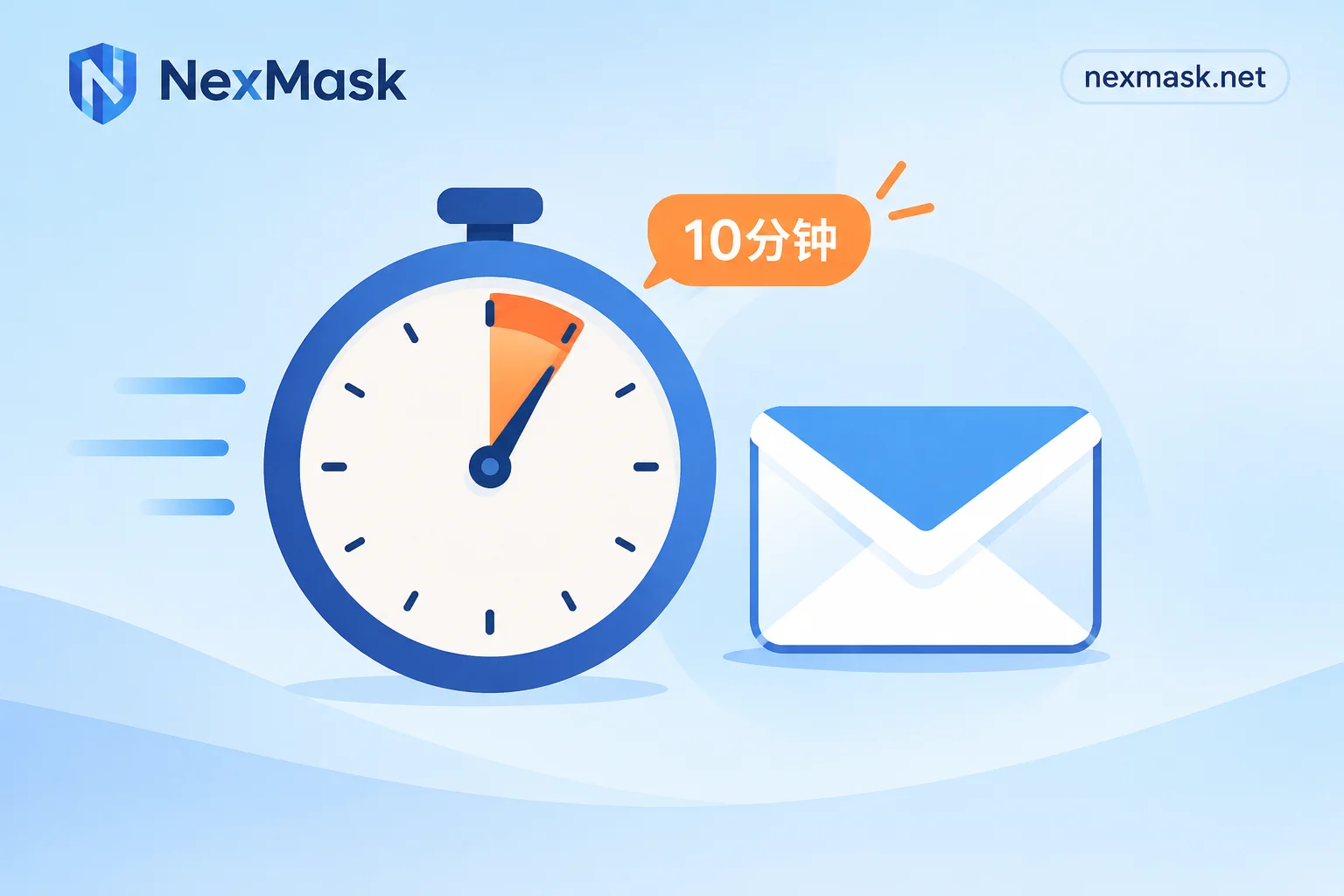
What Is a 10-Minute Email? Use Cases, Expiration Limits, and Choosing a Long-Lasting Alias
A 10-minute email is a no-signup, countdown-based disposable inbox for one-time download links and single verification codes, but email delays can cause missed messages, closing the page makes recovery impossible, password reset isn't available, and most platforms reject such domains.
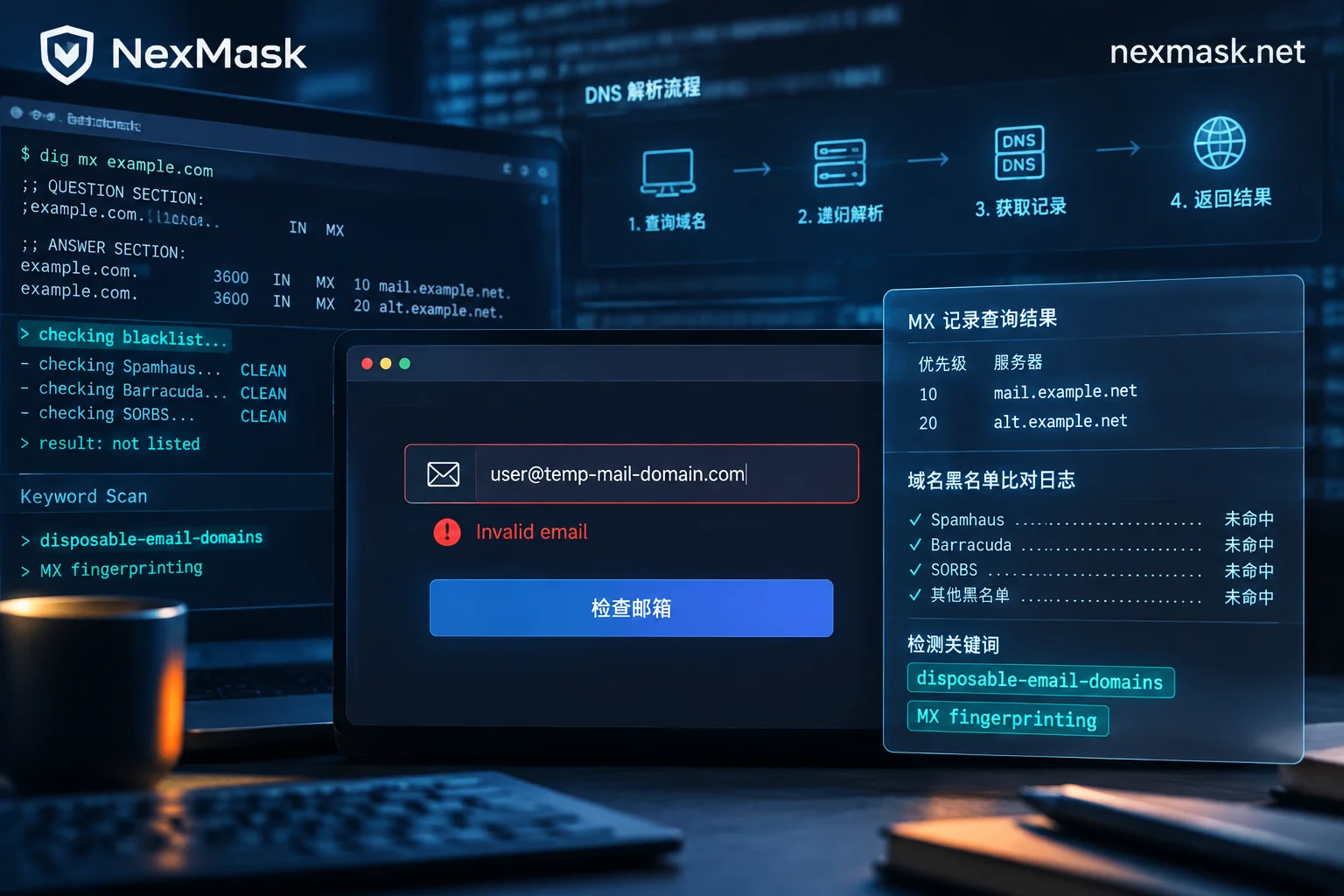
When Should You Use an Anonymous Temporary Email? Alternatives After Rejection and Long-Lasting Alias Selection
Anonymous temporary emails suit one-time verification code receipt and low-trust website trials, but they get blocked by blacklists, MX fingerprints, and heuristic scoring. When rejected, switch to long-lasting aliases or custom domain aliases; for paid subscriptions, password recovery, or long-term login scenarios, use long-lasting aliases from the start instead of temporary emails.
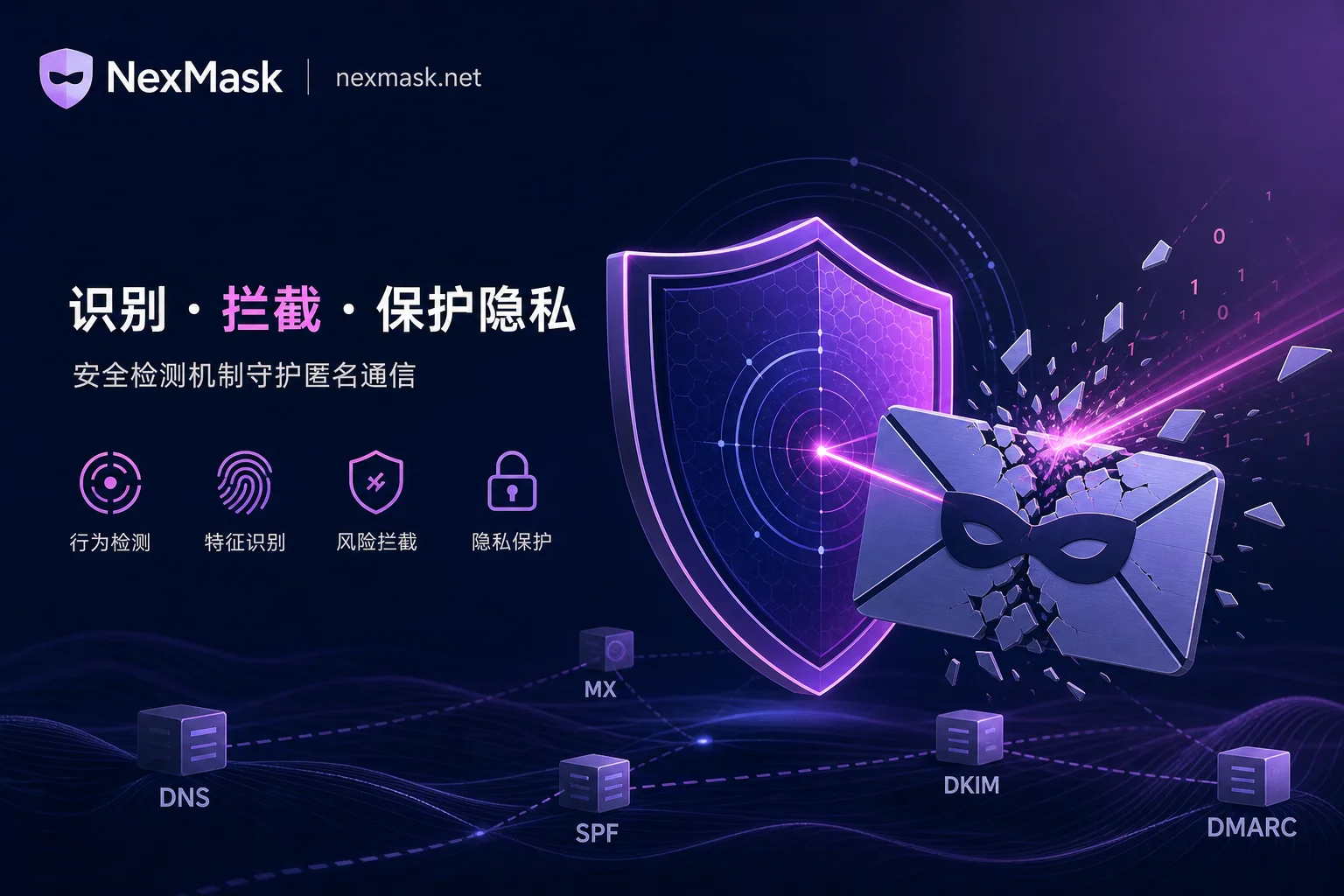
Scenarios for Using Disposable Email Without Registration: Expiry Boundaries and Blocking Mechanisms
Explore the real usability of registration-free disposable email in 2026, from MX fingerprint detection to practical scenarios and limitations, including tips for avoiding registration blocks.