 NexMask-官方博客
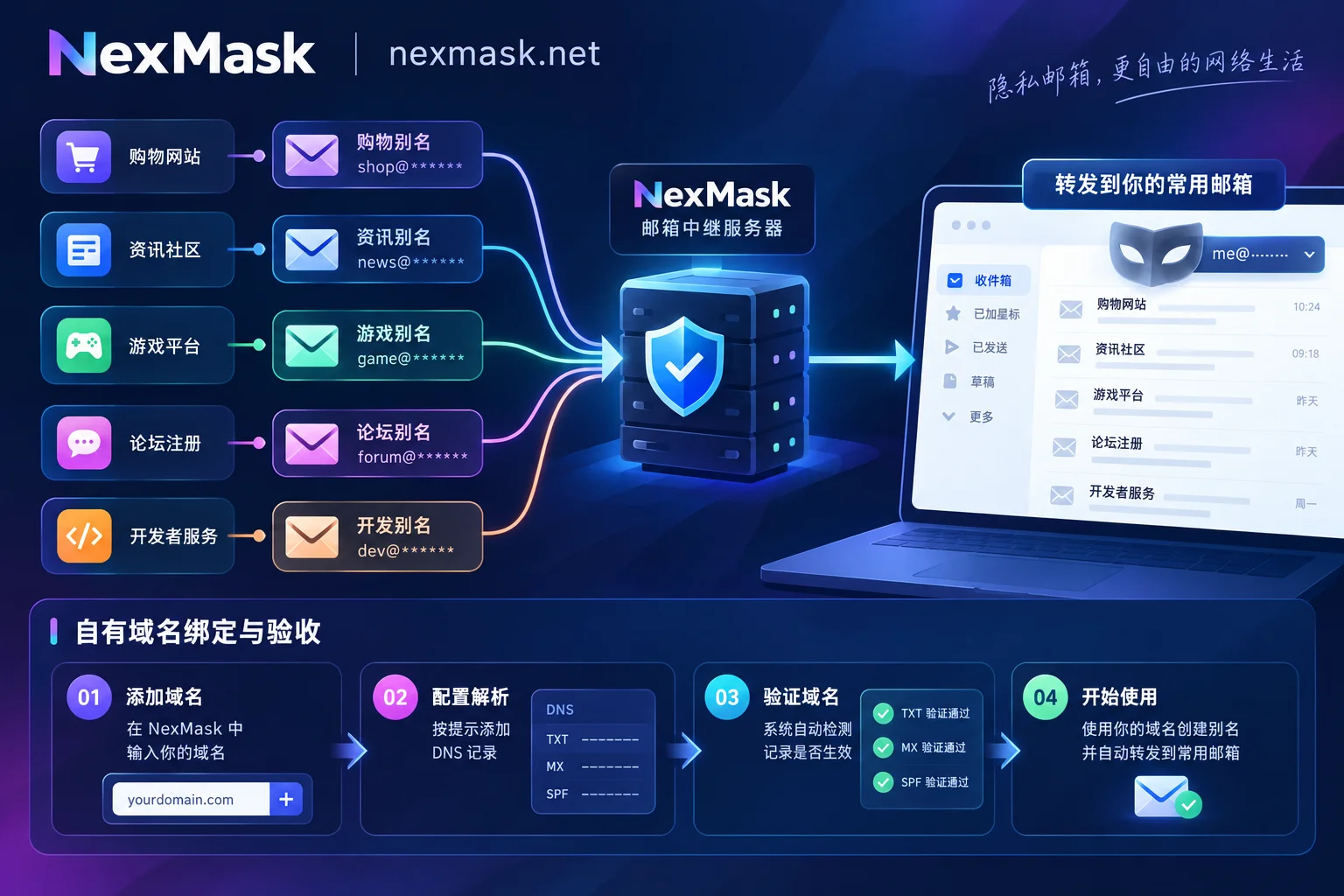
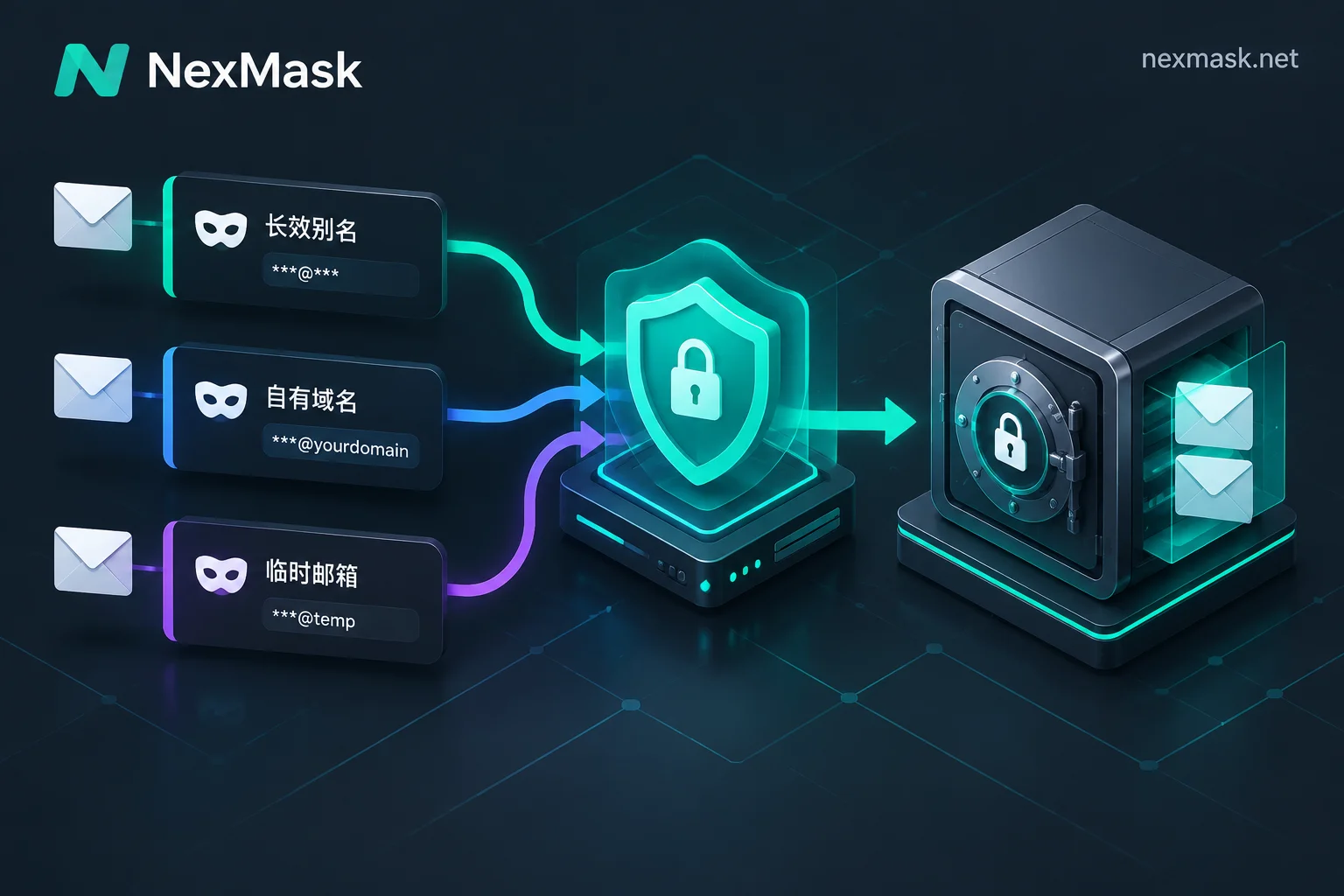
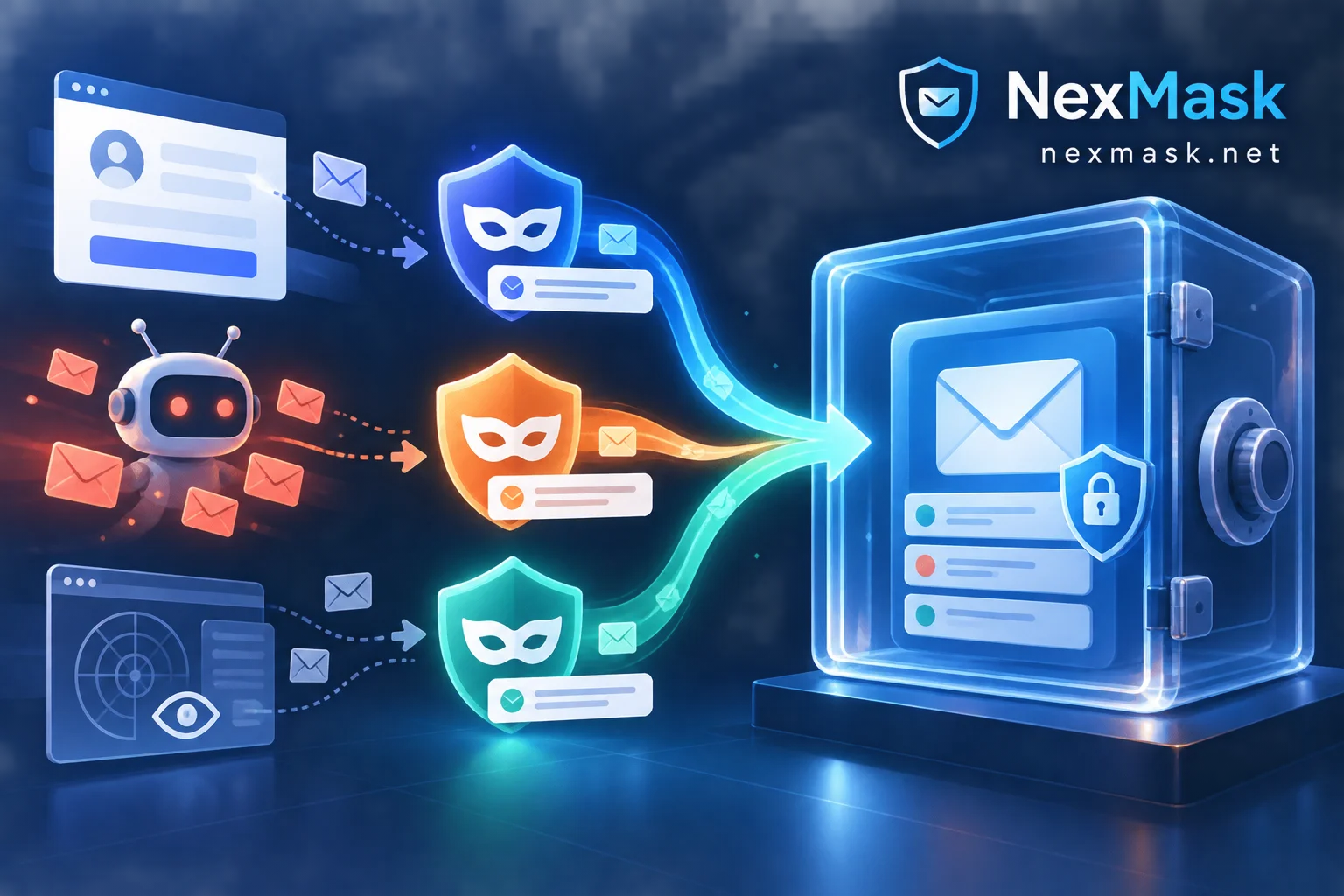
How Anonymous Email Forwarding Works: Receive and Reply via Aliases Without Revealing Your Real Email, and Why Forwarded Mail Goes to Spam
Explains how alias forwarding delivers incoming mail and routes replies, lists common habits that expose your real email, and describes why SPF breaks after forwarding, how DKIM determines DMARC passage, and how to choose between temporary email and long-term forwarding aliases based on whether you’ll need to receive mail at that address later.
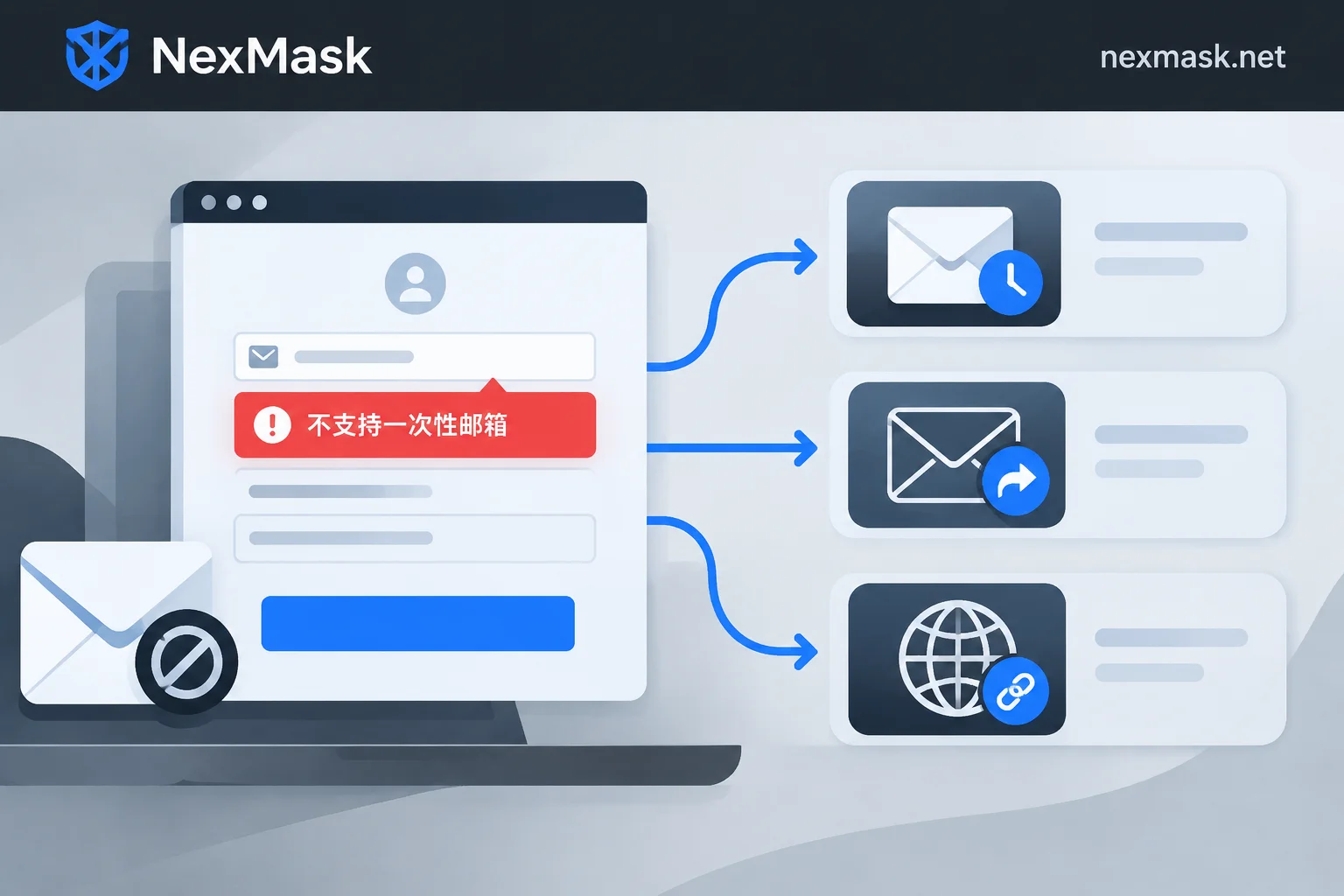
Temporary Email Rejected? Three Paths by Use Case and Why Platforms Block You
When a signup says disposable email isn't supported, don't keep refreshing domains—decide based on whether the account needs long-term maintenance: switch domains for one-off use, use a long-lived alias for password recovery, or forward via your own domain for strict platforms. This article explains blacklists, MX fingerprints, and real-time verification APIs, plus the limits of each approach.
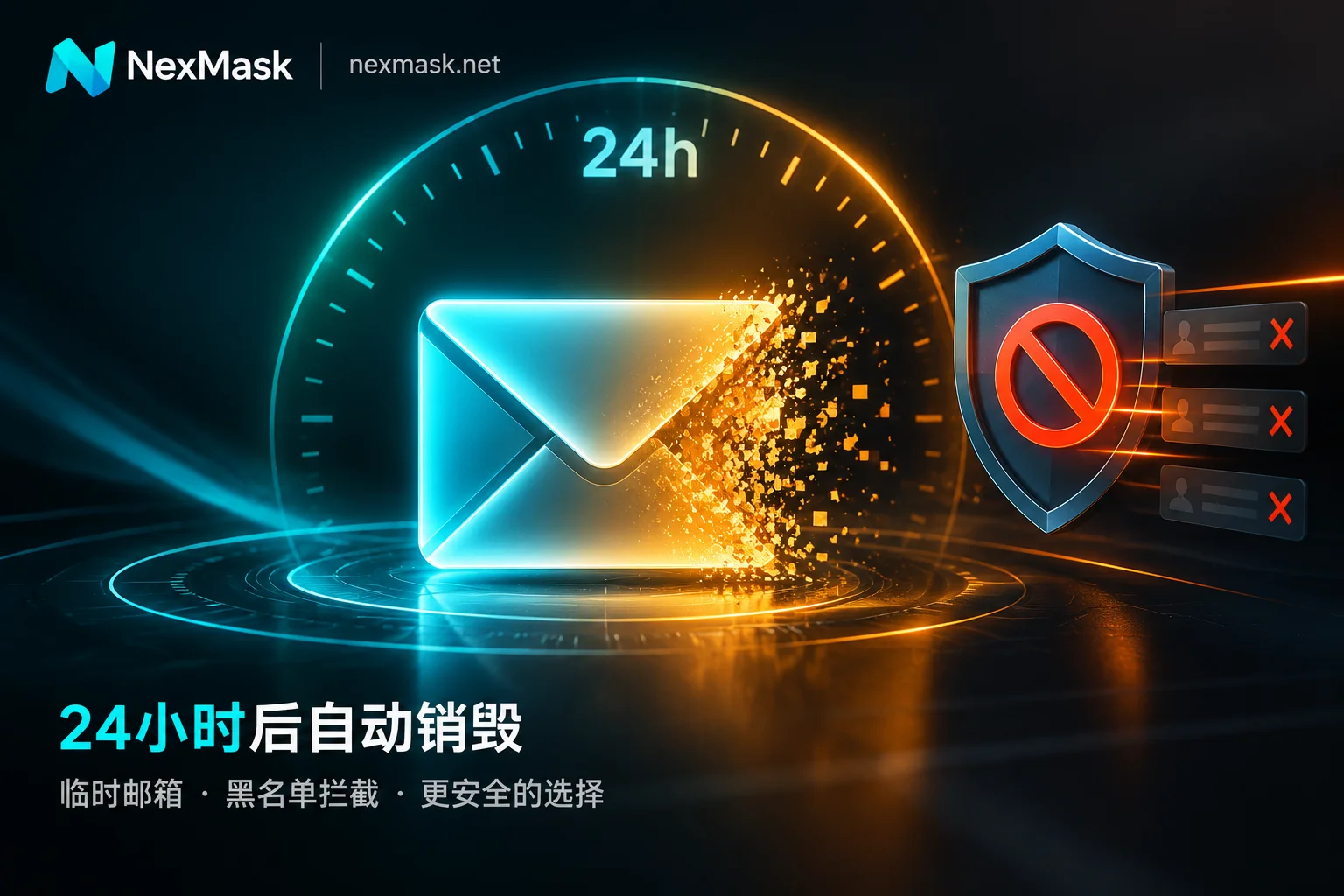
When to Use a 24-Hour Temporary Email: Expiry Boundaries, Blocking Mechanisms, and Long-Lived Alias Selection
A 24-hour temporary email solves 10-minute email failures caused by queue delays, asynchronous links, and double opt-in, but after expiry the address and emails are permanently destroyed, so it must never be used for accounts needing password resets or 2FA; due to widespread disposable email blacklists, switch to a long-lived alias or custom domain when rejected.
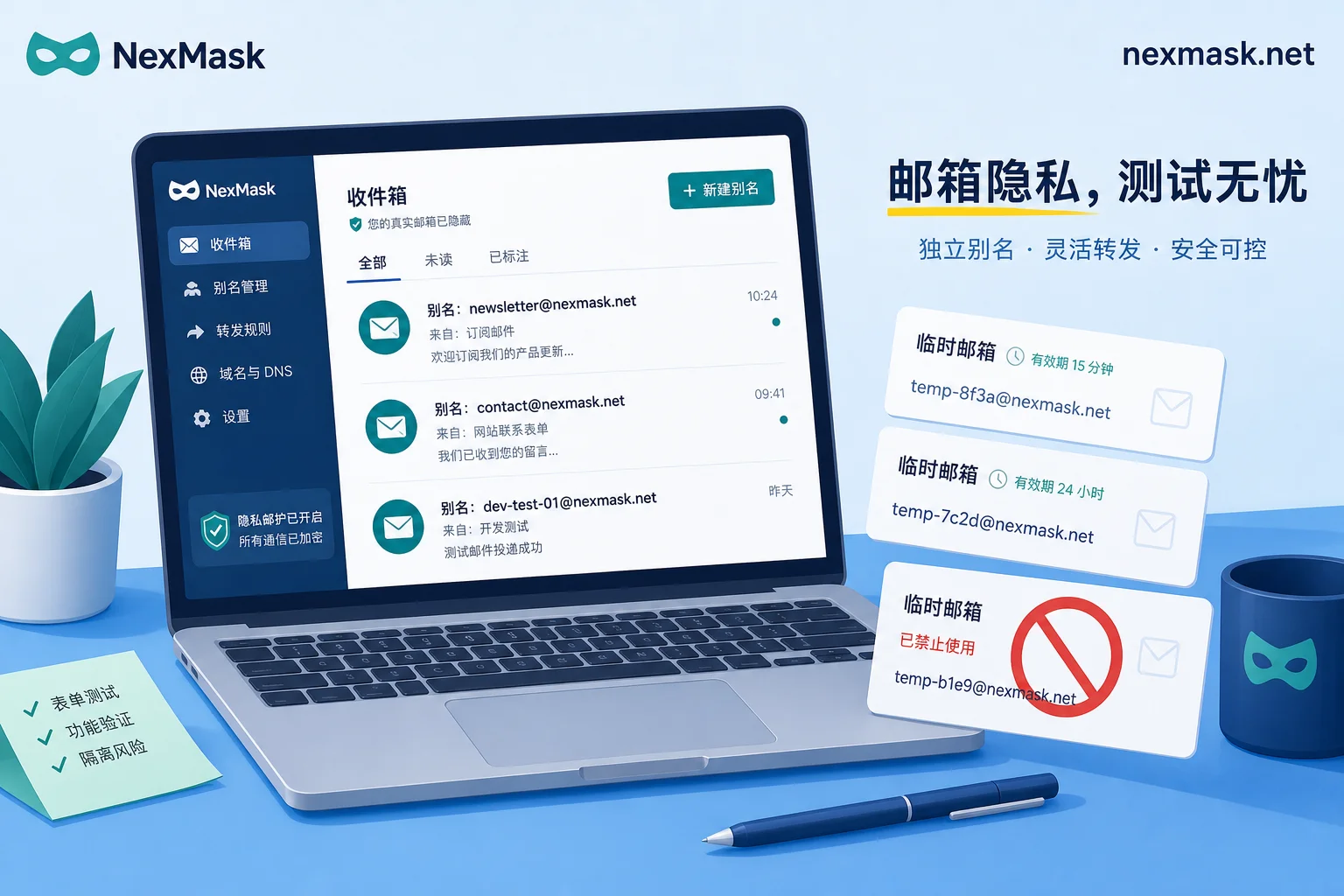
Is a Free Temporary Email Enough? First Check These 4 Quota Boundaries
Whether a free temporary email is sufficient depends on four boundaries: address count, reply capability, domain ownership, and email retention. This article doesn't promote tools, just helps you check each one.