 NexMask-官方博客
Email Alias Service Comparison: Choose the Right Tool Based on Reverse Sending, Domain Sovereignty, and Migration Costs
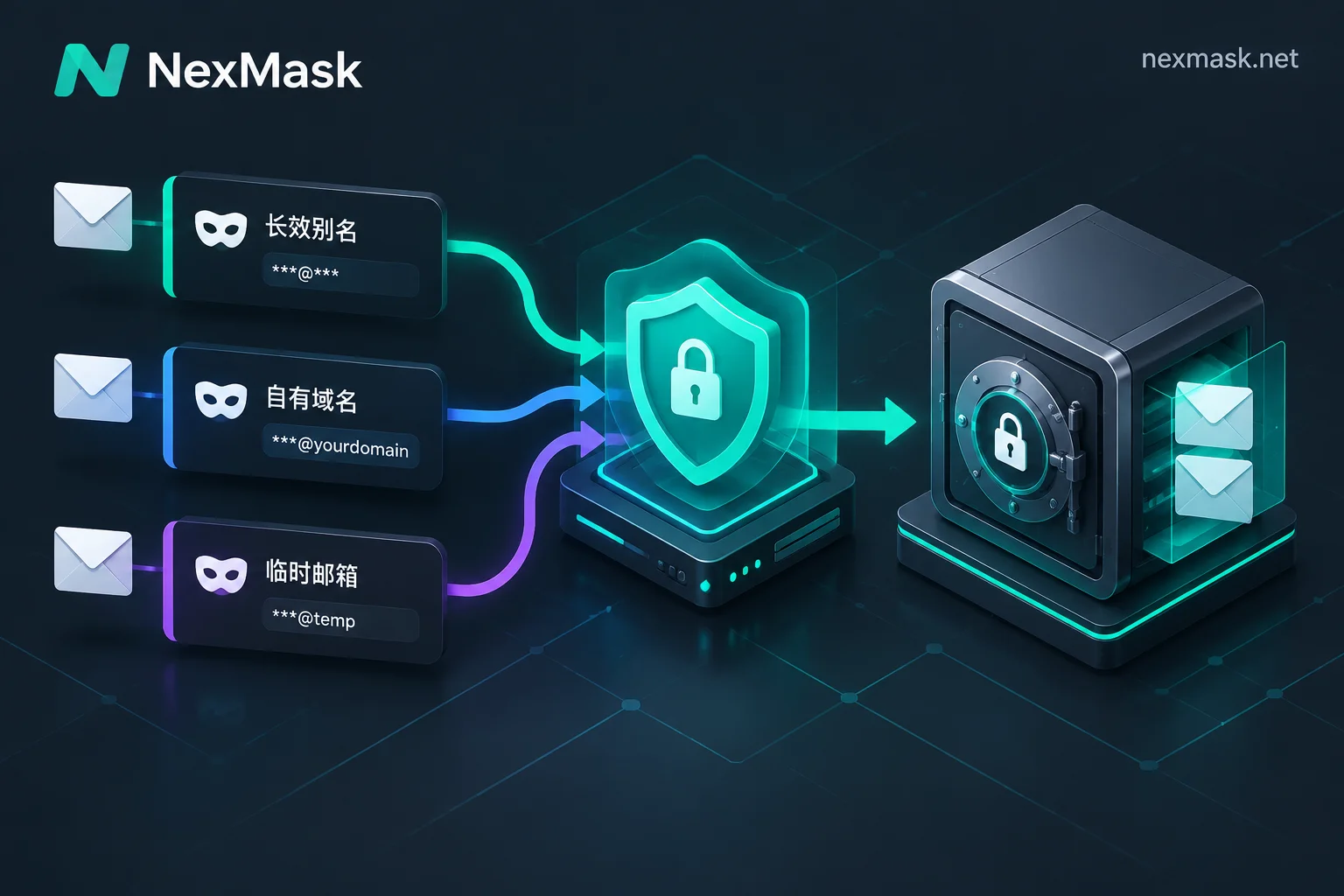
In 2026, mainstream email alias services (such as SimpleLogin, addy.io, Firefox Relay, Apple Hide My Email, etc.) each have their pros and cons. This article goes beyond simple free-quota comparisons and examines four real pain points: reverse sending experience, solutions when public suffixes are blocked, data retention and exit sovereignty, and one-time registration offloading, to help you choose the most suitable email and identity isolation solution for long-term use.
How to Truly Hide Your Real Email? Lessons from Built-in Privacy Flaws and a Cross-Platform Identity Isolation Approach
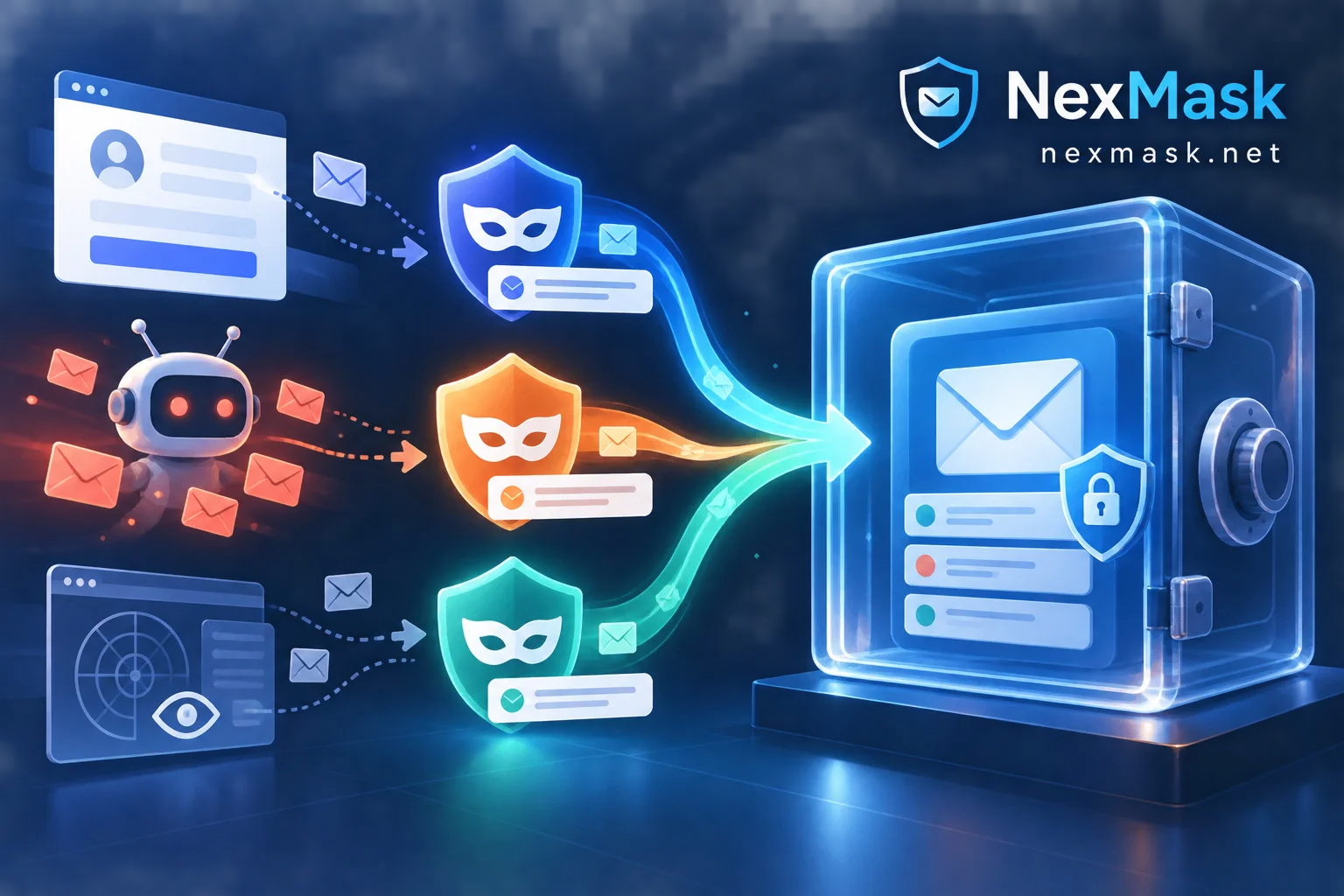
In 2026, Apple's Hide My Email feature was found to have a vulnerability where spam rejection logs could reveal the real Apple ID email behind a hidden address, highlighting the risks of tying all virtual identities to a single system account. This article breaks down how to escape single-ecosystem limits and build a true no-backdoor email isolation system with NexMask, covering three scenarios: one-time verification, big-tech domain whitelisting, and long-term independent sending/receiving.
Why Disposable Email Became Essential in 2026: Isolating Against Sign-Up Walls, AI Trials, and Cross-Platform Tracking
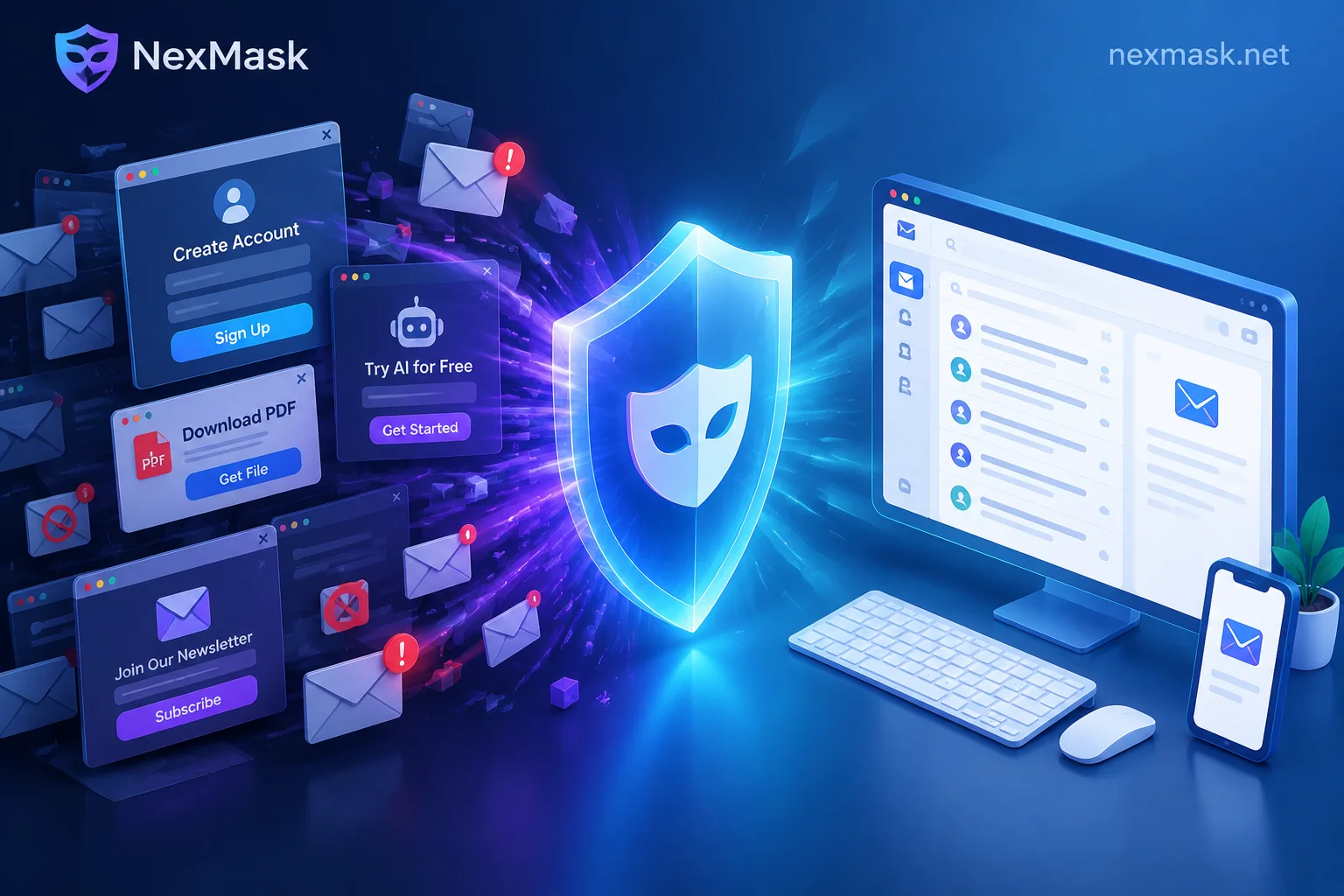
In 2026, nearly every website uses sign-up walls to demand an email for PDFs, AI tool trials, or coupons, leading to marketing spam and cross-platform tracking. This article explains how to use NexMask disposable emails, big-provider temporary emails, long-lived aliases, and virtual addresses to build a complete isolation defense for your real inbox.
Anonymous Email vs. Temporary Email: Choose Based on Whether You'll Need to Receive Emails from That Site Later
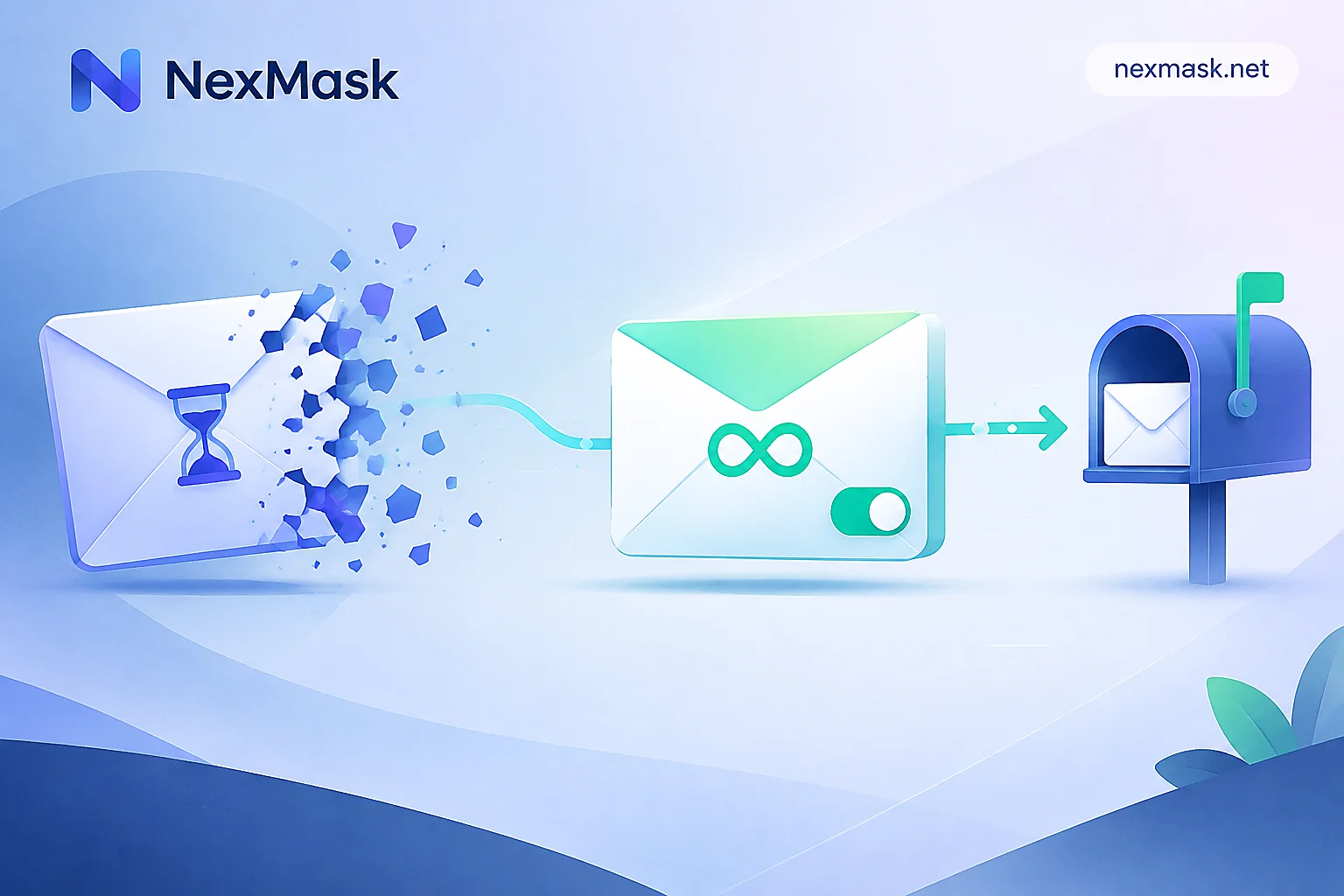
Temporary email is a one-time inbox that self-destructs, while a long-term anonymous email alias forwards mail to your regular inbox and can reply, so choose based on whether you'll need the account in the future.
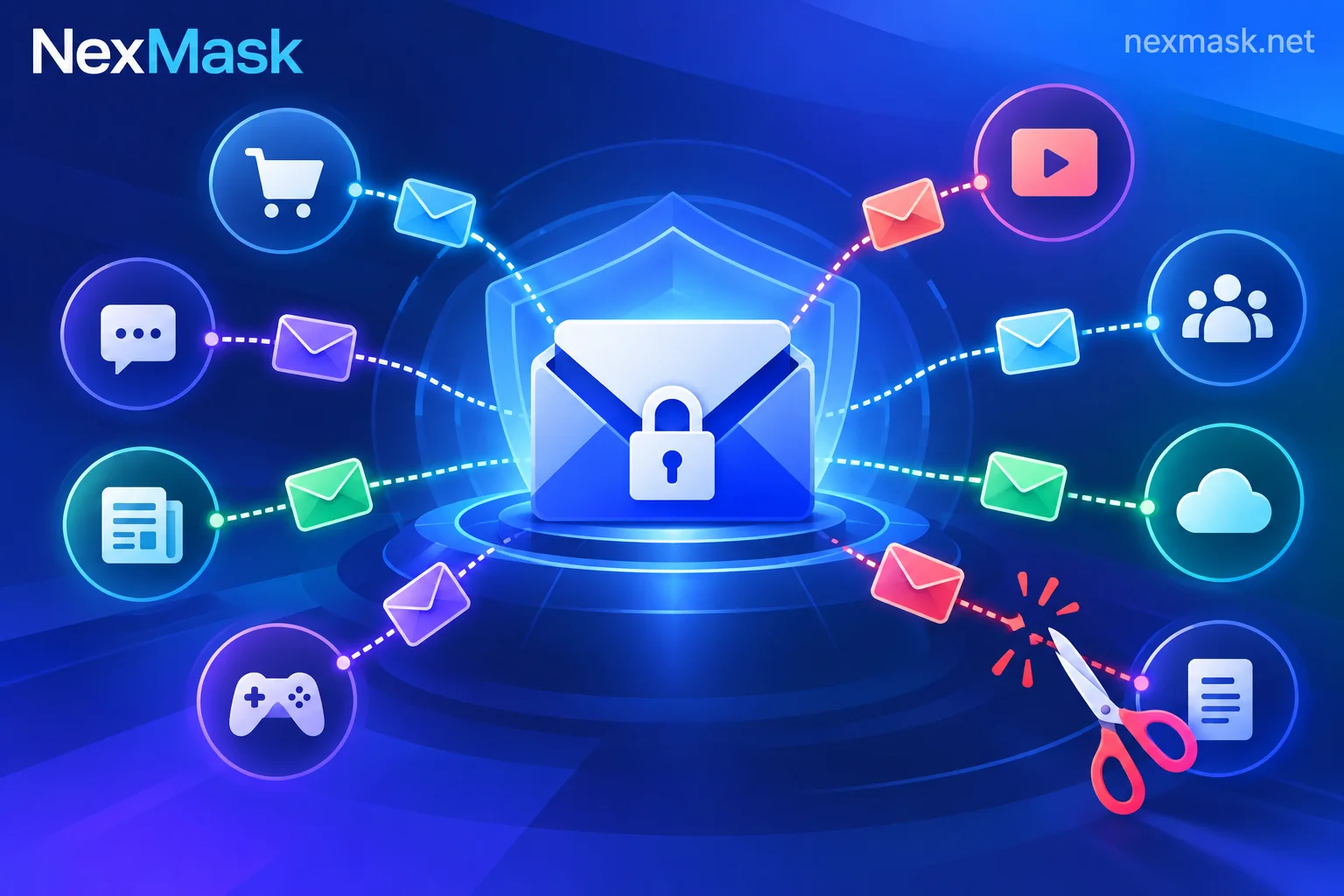
How Anonymous Email Protects Privacy: One Address per Site, Trace Leaks and Disable Individually
Reusing your real email everywhere turns it into an identifier linking your behavior across sites. This article explains the division of labor between temporary email for one-time use and long-lasting aliases for long-term accounts, why plus aliases aren't privacy protection, how to trace spam sources and deactivate aliases, how to prevent tracking pixels, what to do if rejected, and what anonymous email can't do.
