 NexMask-官方博客
Random Email Generators: Task Division and Failure Boundaries in Registration and Testing
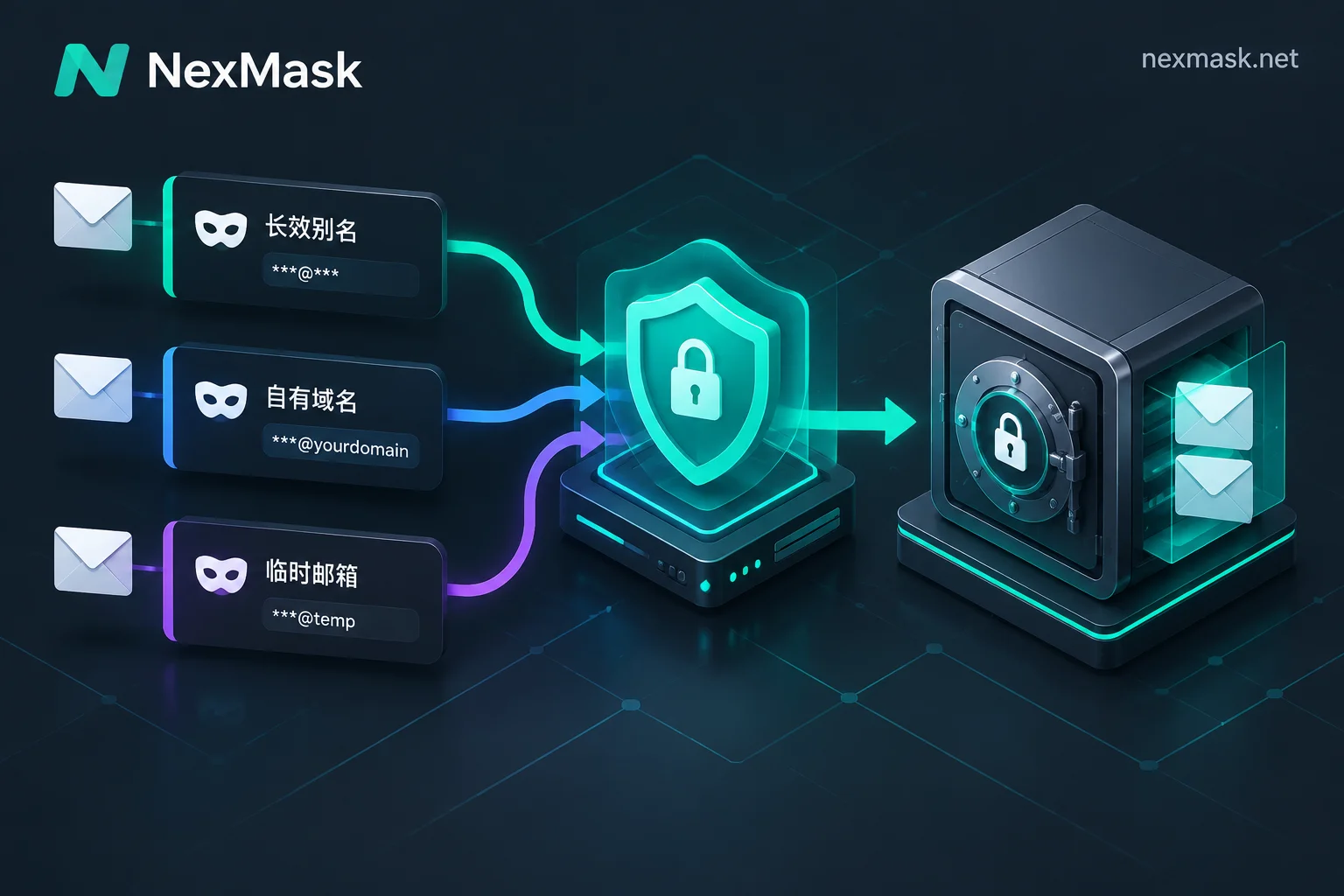
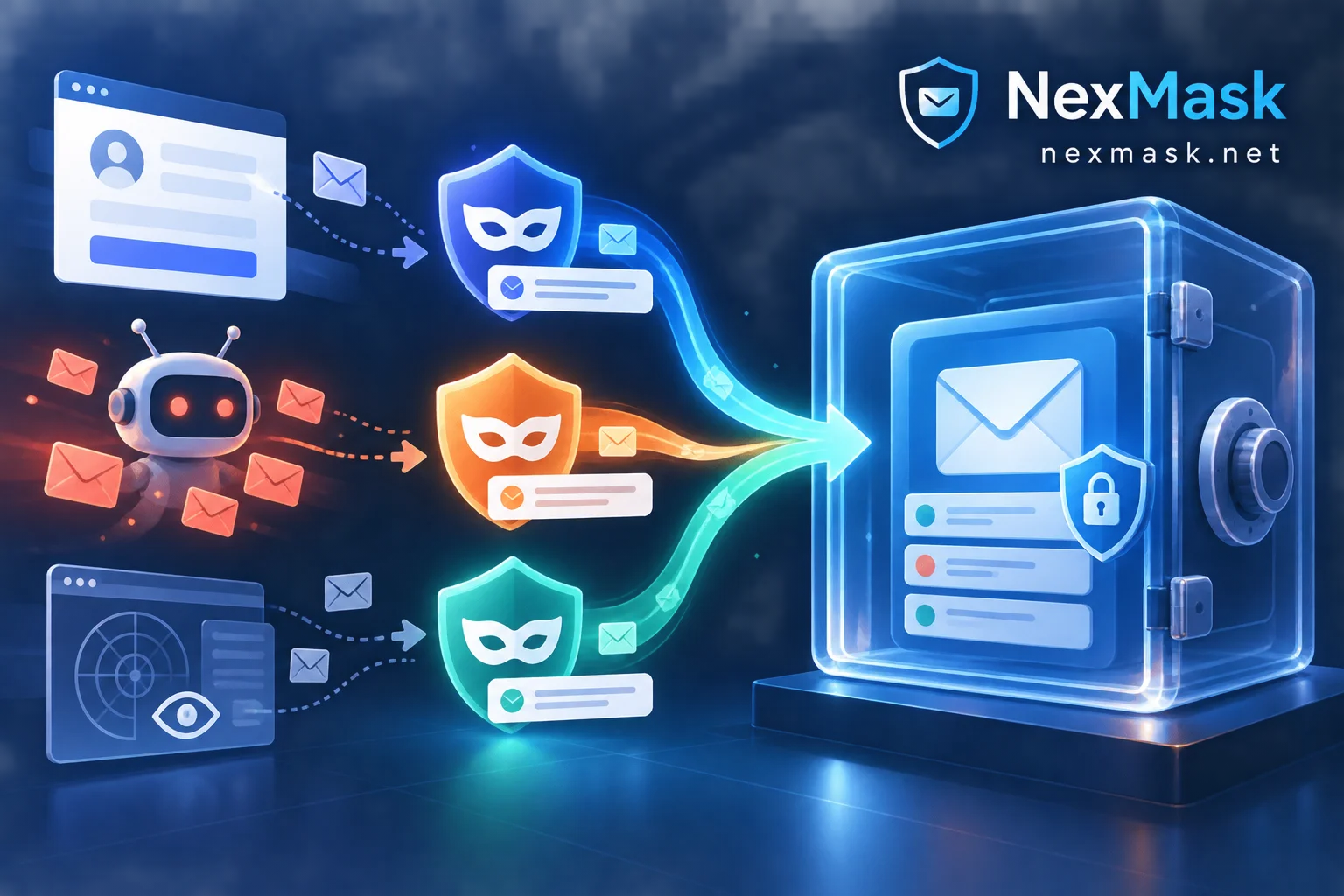
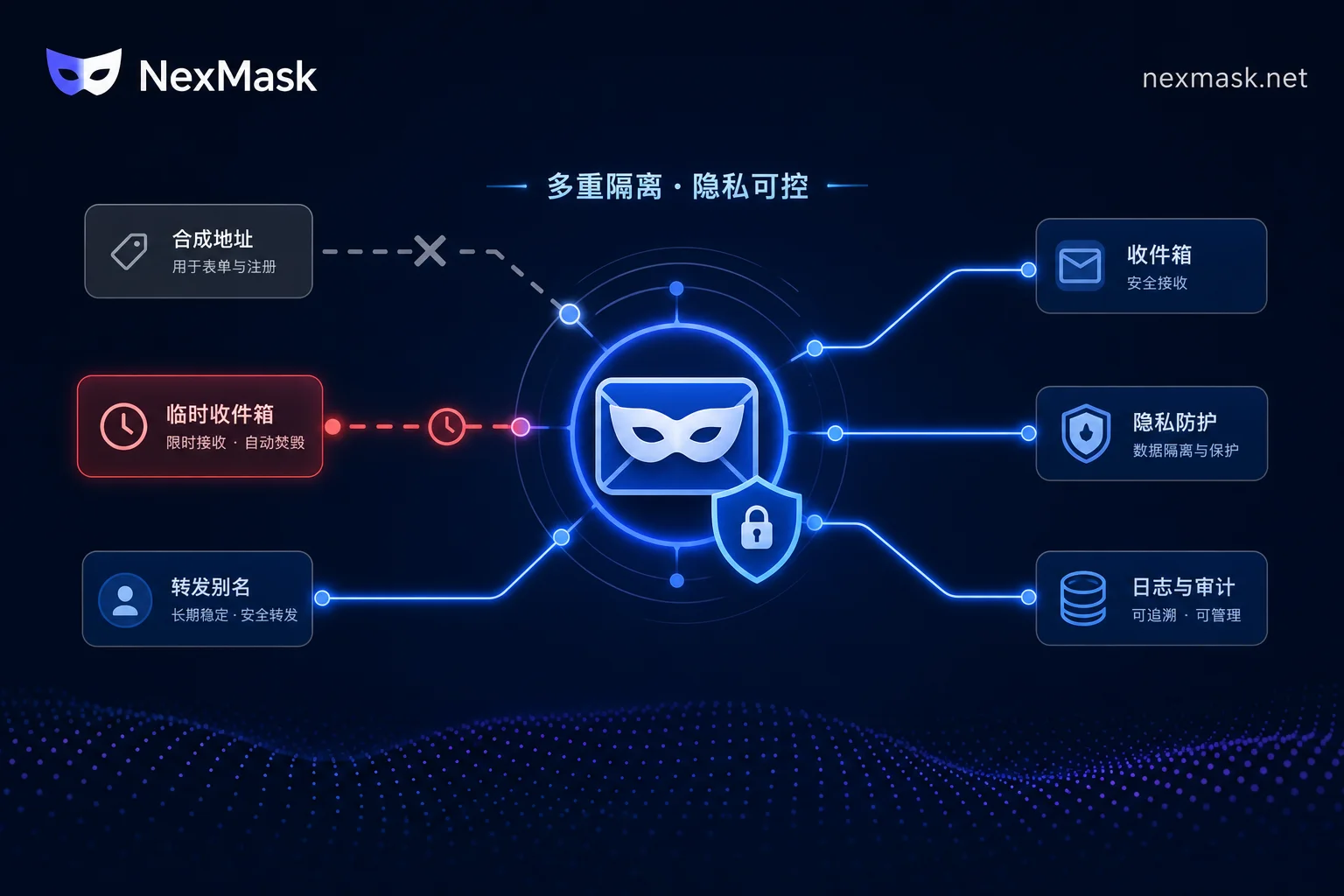
This article breaks down three types of outputs from random email generators: synthetic placeholder addresses, disposable inboxes, and forwarding aliases. It explains registration failures due to a blacklist of 259,000+ disposable domains and provides a checklist for choosing the right address type for development QA and regular users, addressing verification code reception, data compliance, and account recovery issues.

Is Bulk ChatGPT Account Registration Feasible? Verify Three Hard Blocks First
This article directly answers whether bulk ChatGPT account registration is feasible, explaining three independent hard blocks (terms, domain, and recovery), and provides a compliance-based tiering plan and error troubleshooting guide.

Is a Free Temporary Email Enough? First Check These 4 Quota Boundaries
Whether a free temporary email is sufficient depends on four boundaries: address count, reply capability, domain ownership, and email retention. This article doesn't promote tools, just helps you check each one.
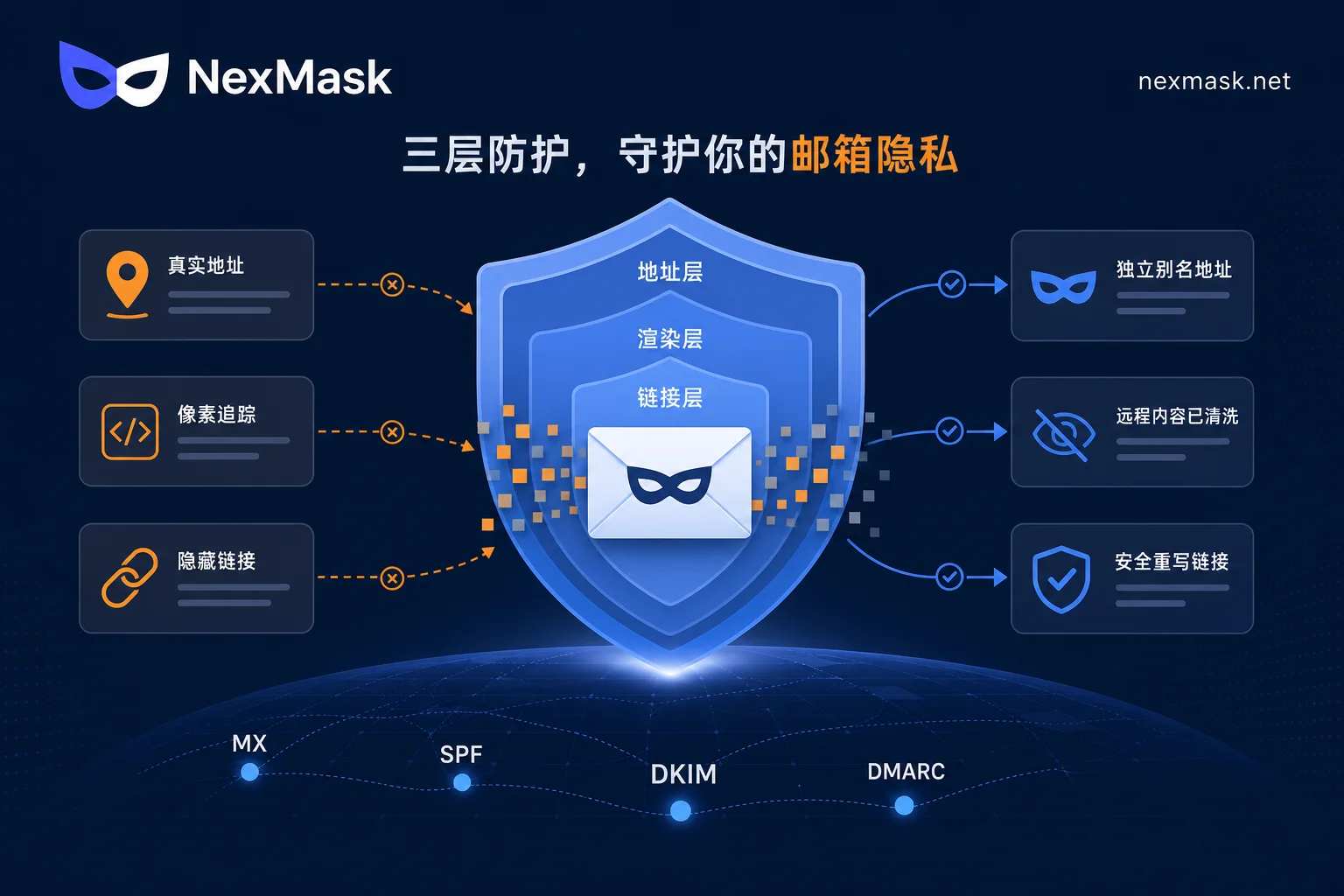
Can a Temporary Private Email Block Tracking Pixels? A Three-Layer Self-Check
To determine if a temporary private email can block tracking, check three layers: address isolation, rendering layer interception, and link parameter avoidance; only by addressing all three can tracking be truly disrupted.
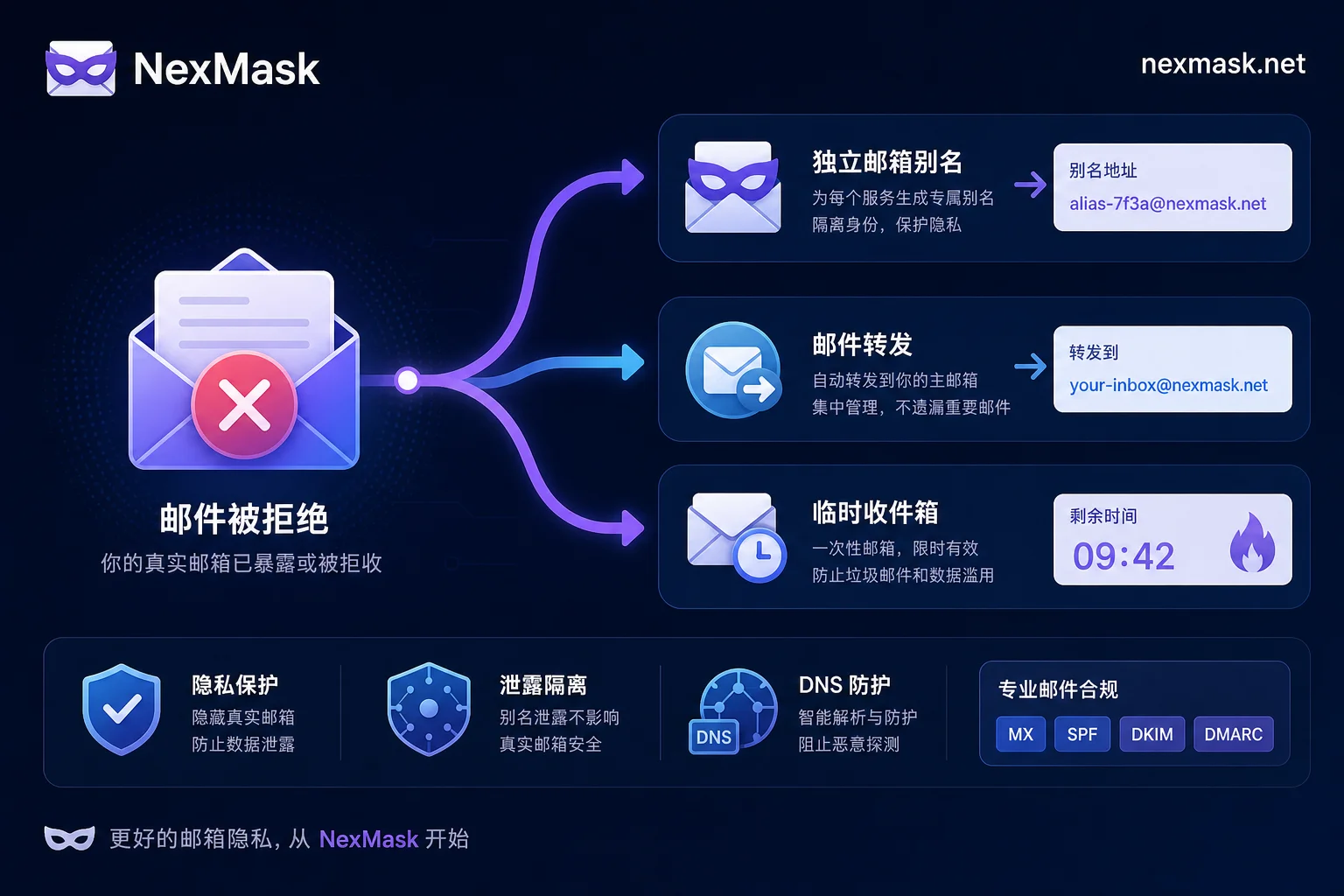
Temporary Email Registration Rejected? First Distinguish Three Types of Interception Signals
When temporary email registration is rejected, first determine which type of signal it is: page rejection, no verification code, or account ban. These correspond to domain identification, delivery issues, and risk re-evaluation, each requiring different solutions.