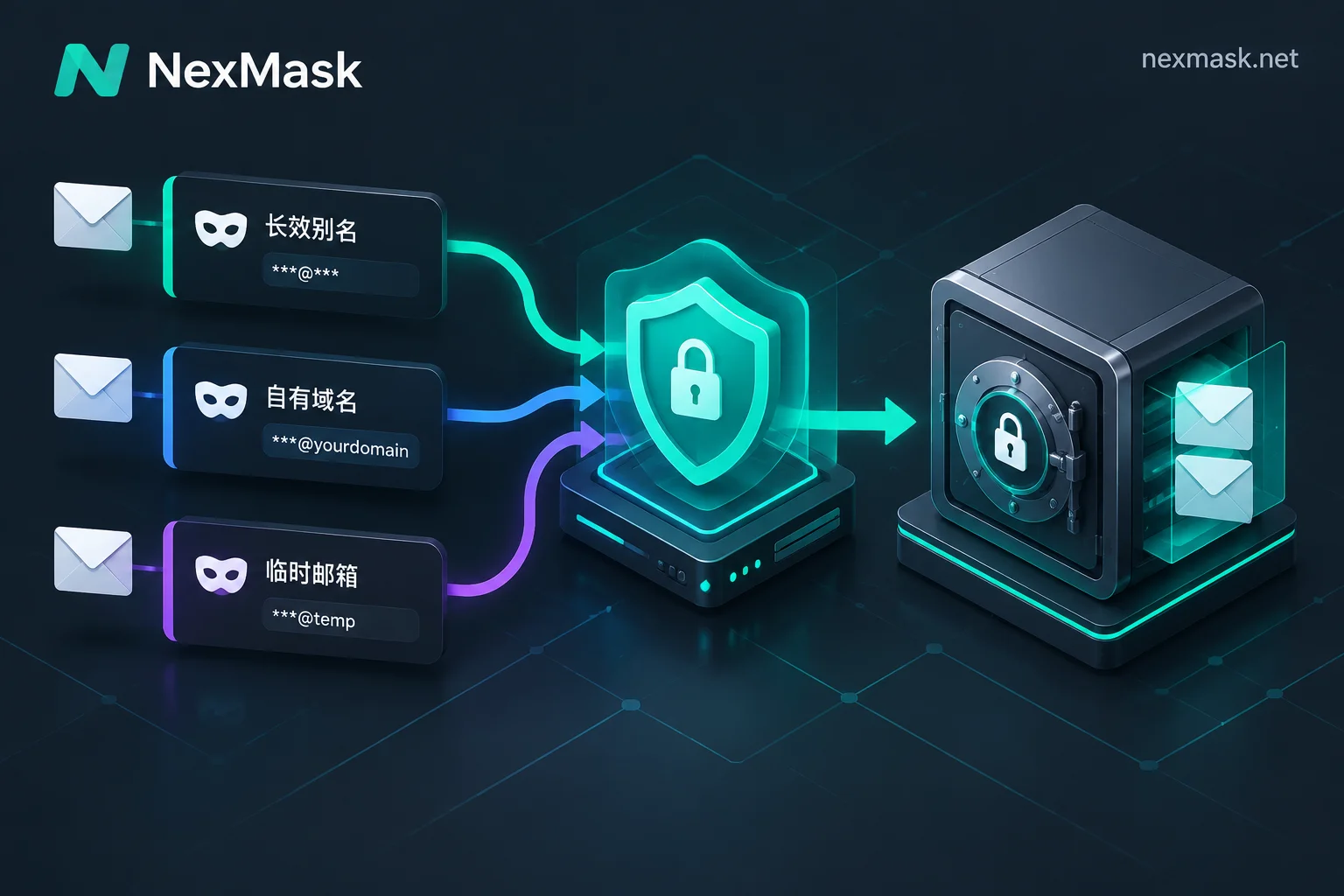
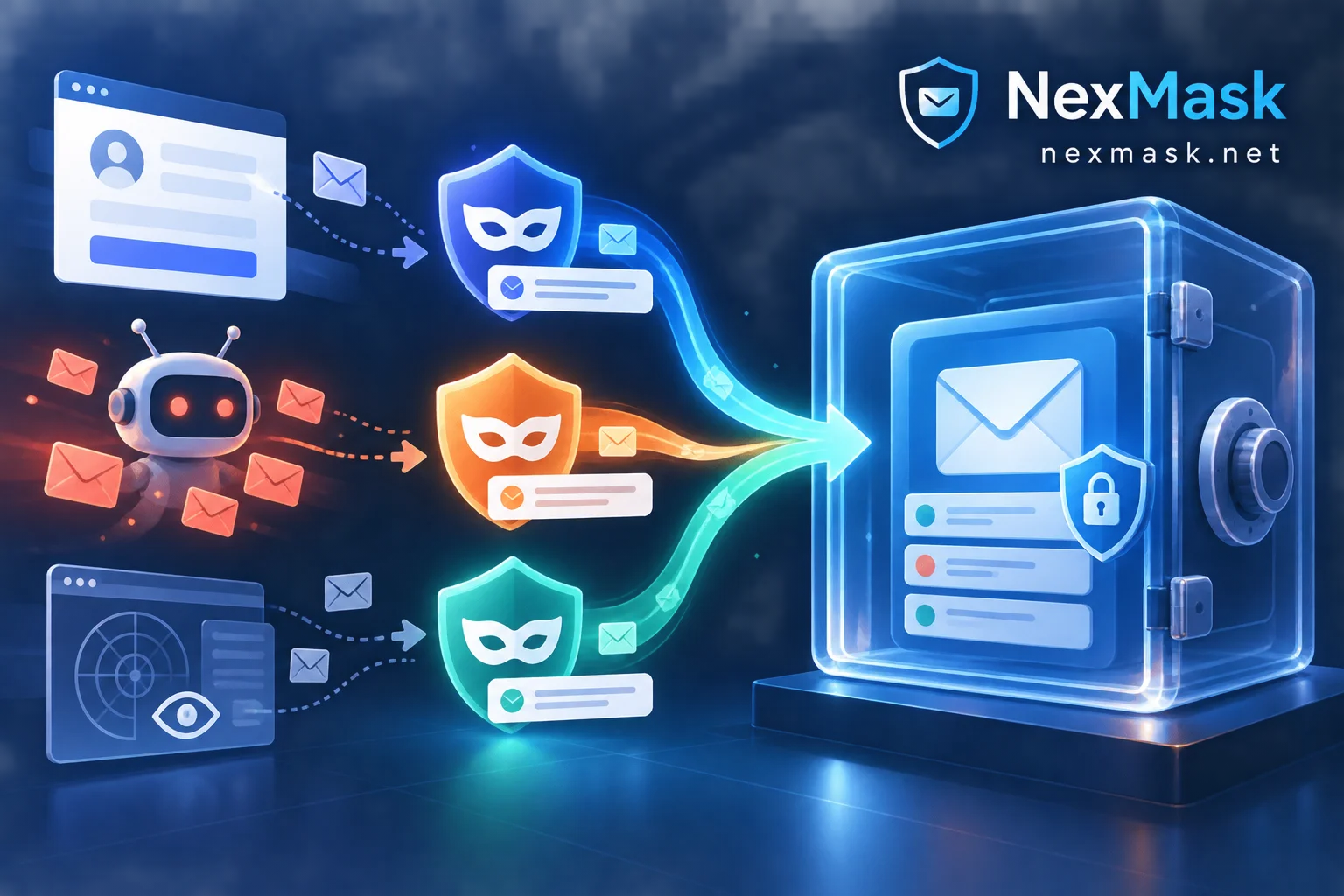
 NexMask-官方博客
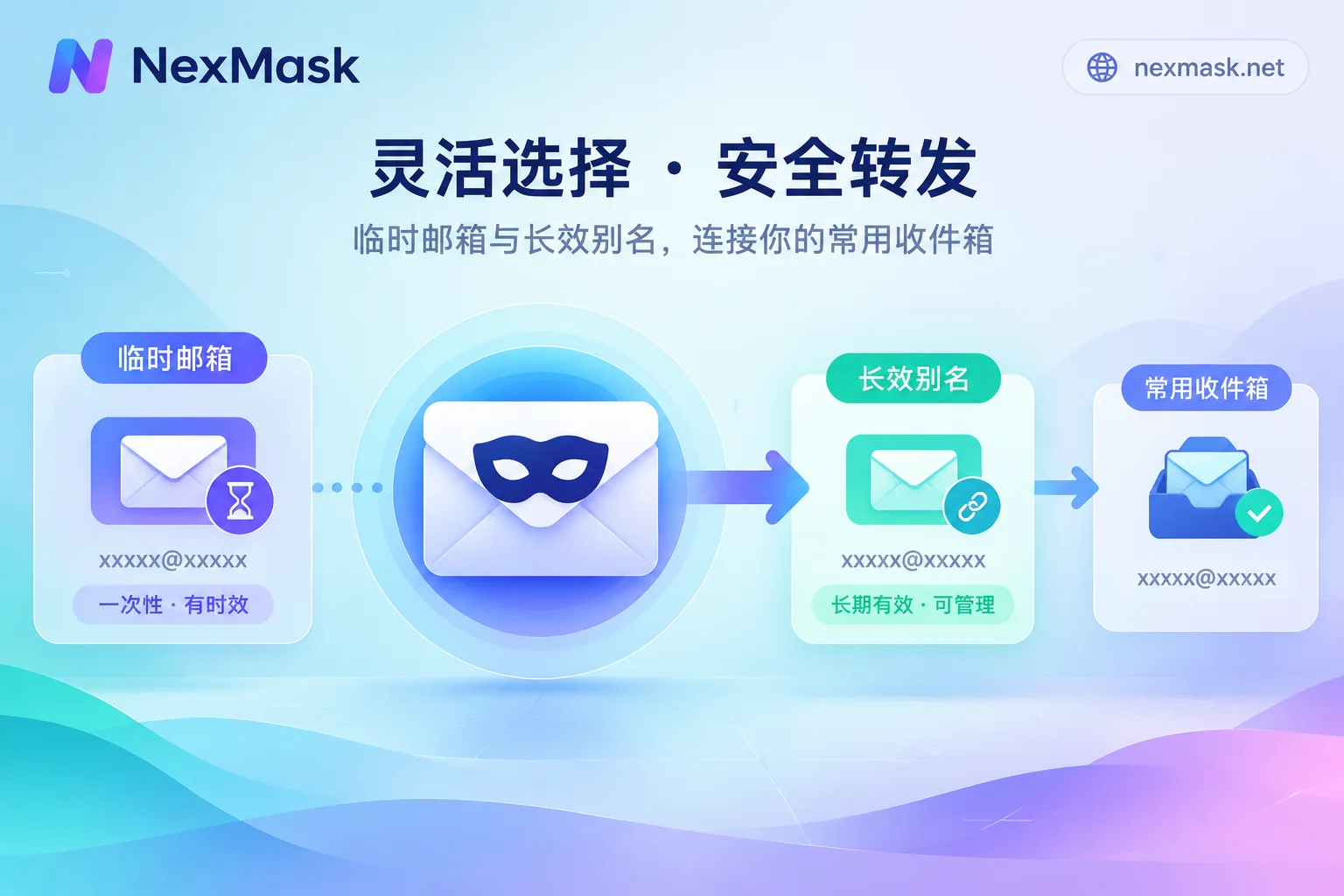
How to Use Anonymous Email: Choosing Between Temporary Email and Long-Lived Aliases, Forwarding, Replying, and Deactivation
Choose based on whether you'll need to log in again: use temporary email for one-time codes, and long-lived aliases forwarded to your main inbox for long-term accounts. This article covers replying, per-site aliases, rebinding before deactivation, handling rejected signups, and binding your own domain, and explains the boundaries of anonymous email.
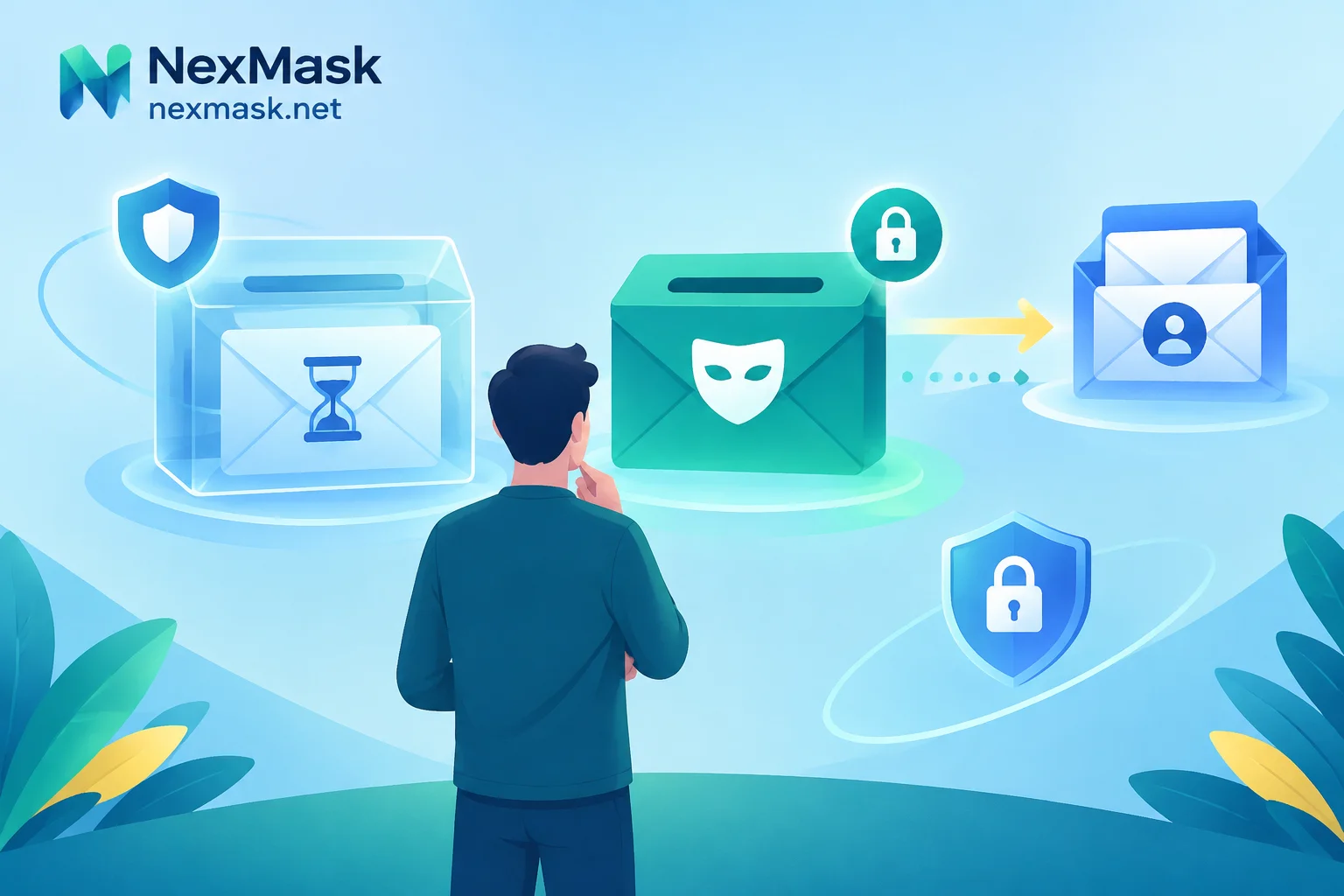
How to Choose an Anonymous Email Generator: Disposable Email vs Long-Lasting Alias, and What to Do If Rejected
Anonymous email generators fall into two main types: disposable temporary email and long-lasting aliases. Which to choose depends on whether you will need to log in to the account again. This article explains selection by common scenarios, how to use each after generation, and what to do when registration says 'temporary email not supported'.
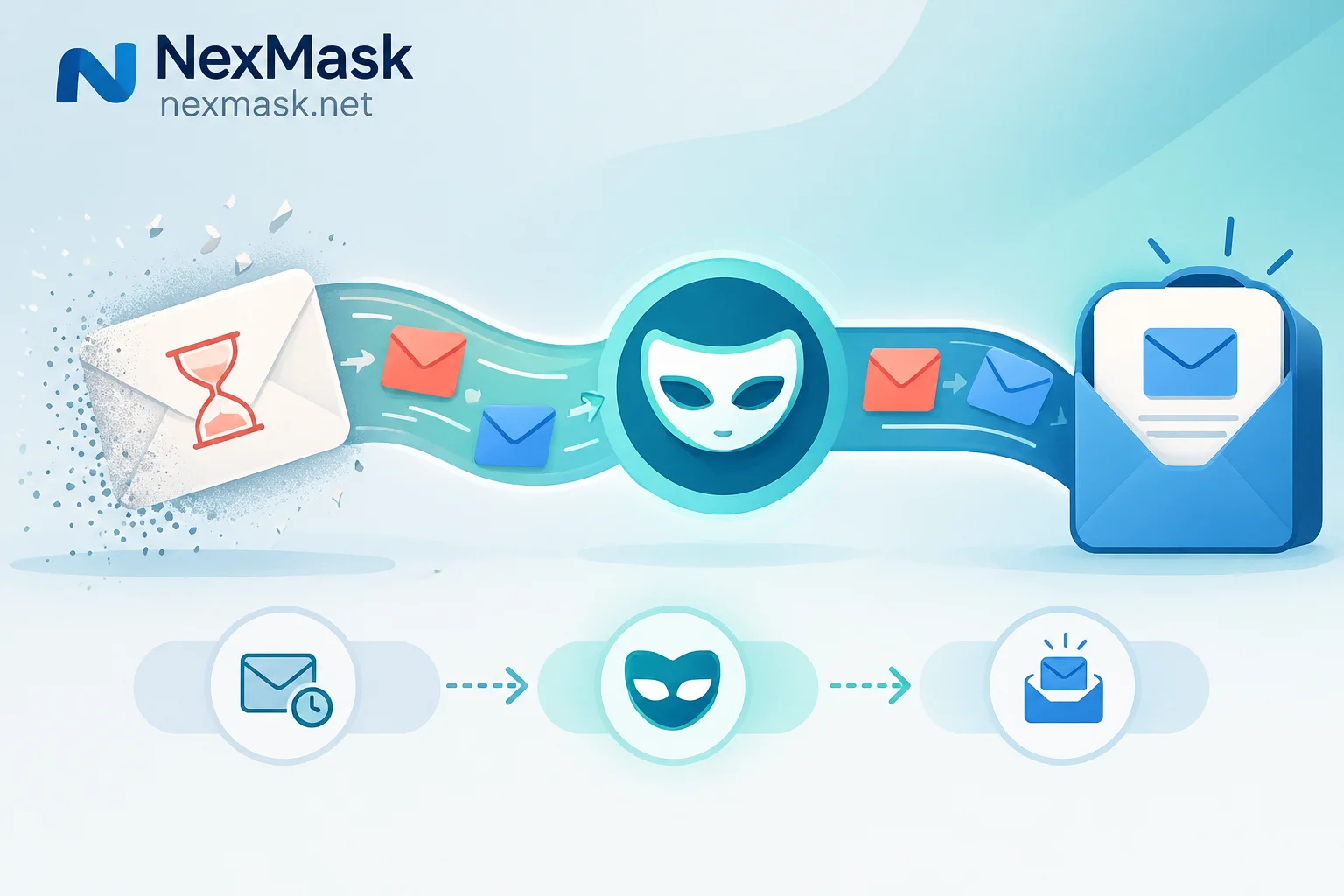
How to Choose an Anonymous Email Address: Roles of Temporary Emails and Long-Term Aliases, Handling Rejections, and Usage Boundaries
Anonymous email addresses fall into two main categories: temporary emails and long-term aliases. Which to choose depends on whether you'll need to log in again or recover the password. This article explains how to use each, their limitations, how to handle rejections, how to trace spam sources with one alias per site, and which scenarios should still use your real email.
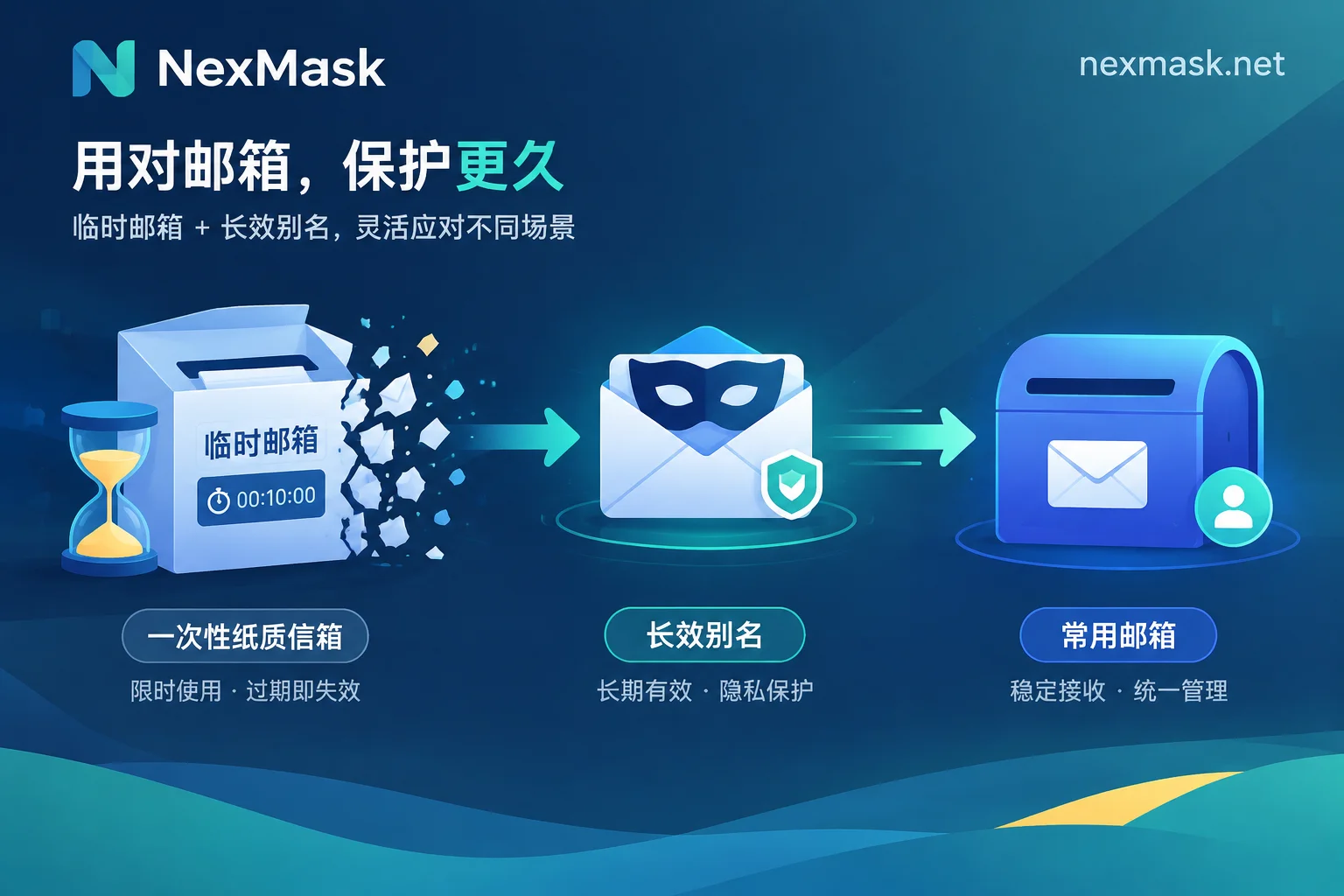
Temporary Email vs Email Alias: Will You Need to Recover the Password Later?
Temporary email and long-lived email aliases both hide your real address, but one is a disposable inbox destroyed on expiry and the other is a mask that forwards to your main inbox. This article uses the question of whether you'll need password recovery to help you choose the right tool, explains how to use each for signups, form testing, and spam prevention, and what to do if you picked wrong.
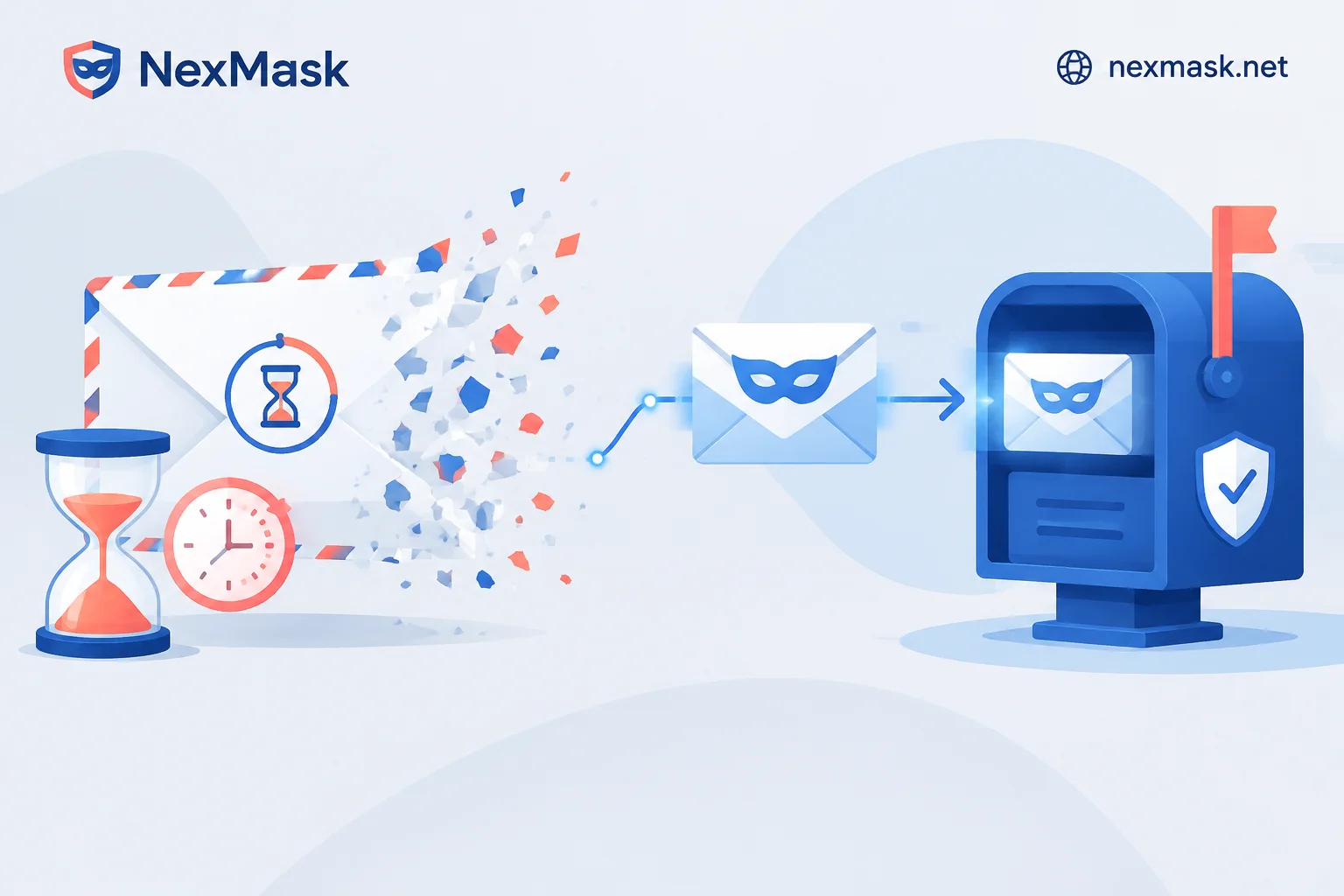
Temporary Email vs Anonymous Email: The Key Is Whether You'll Log In Again
Temporary email is disposable and destroyed on expiry; anonymous email (long-lived alias) sits in front of your real inbox and can receive, reply, and be deactivated long-term. This article compares the two across validity period, sending/receiving, account recovery, spam tracing, and registration rejection, and explains how to choose by scenario.